Small Space Design Psychology: What 500+ Guests Taught Me About Creating Welcoming Homes

Why understanding guest psychology accidentally created the hosting experiences that drove my hospitality success—5 properties, 90% occupancy, zero tourist attractions
I’m writing this from a Buddhist temple in South Korea, reflecting on an unexpected discovery: the design strategies that helped me manage personal challenges became the exact framework exhausted travelers needed most. What started as necessity became my competitive advantage in the saturated Airbnb market.
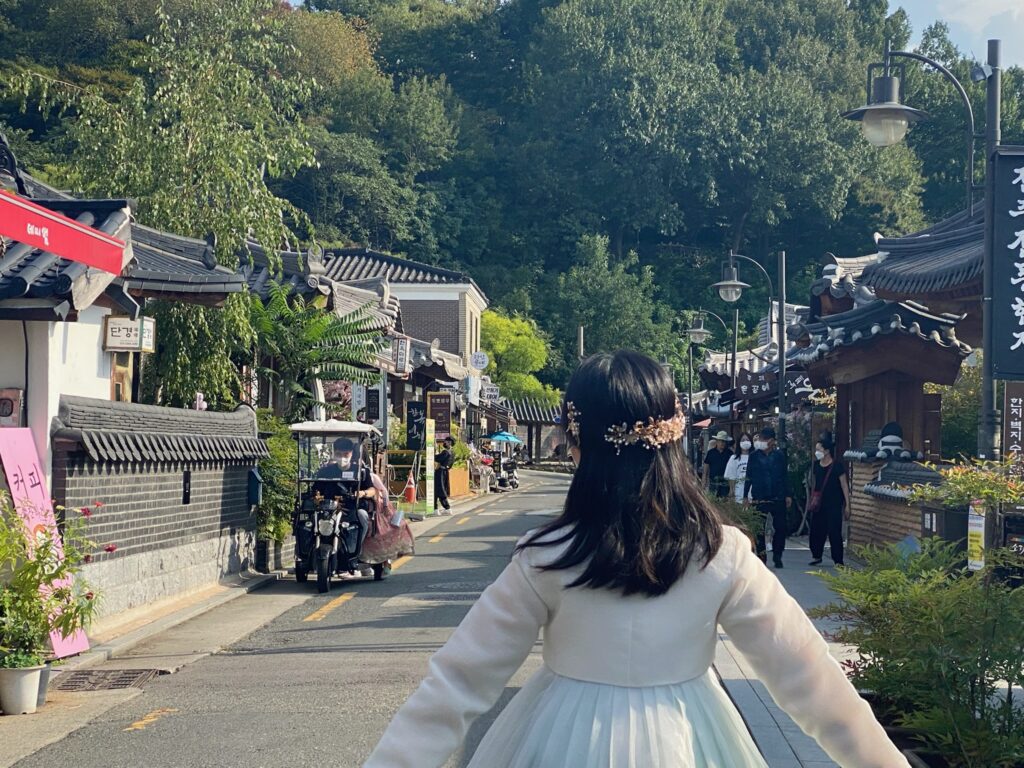
I never planned to turn psychological insights into business success. When I started designing rental spaces, I was simply creating environments where anyone—including myself—could truly rest. Spaces where nervous systems could settle, where walls didn’t feel confining, where exhausted travelers could let their guard down.
What I discovered changed everything: the design principles that support emotional wellbeing are exactly what drive 5-star reviews. My intense attention to psychological comfort, born from personal experience, created properties that guests described as “the most comfortable place I’ve ever stayed.”
This is the story of how understanding human emotional needs—through personal experience, temple wisdom, and hundreds of guest interactions—created hospitality success in locations where others said it was impossible.
Who These Hosting Secrets Help
These design psychology strategies benefit:
- Airbnb hosts wanting better reviews and higher occupancy
- Property managers competing in saturated markets
- Small space owners maximizing rental potential
- New hosts starting without luxury budgets
- Anyone interested in hospitality psychology
- Designers curious about emotional comfort vs. aesthetics
- Property owners in non-tourist locations
Whether you’re hosting your first guest or improving existing properties, these strategies show how psychological comfort drives success more than expensive amenities.
The Breaking Point: When Home Became the Problem
During a challenging period when I was hypersensitive to my environment, I lived in a cramped dorm room with a roommate. Two single beds, two closets, barely enough space to breathe emotionally or physically. When the BPD diagnosis came, I understood something fundamental: I needed a sanctuary where I could let my guard down completely.
Most people take that for granted. When you’re managing intense emotional dysregulation, your environment isn’t just about comfort—it’s about survival.
I had episodes where emotions completely overwhelmed my nervous system—hyperventilation that led to collapse, shaking and trembling that wouldn’t stop, moments where my body shut down entirely under emotional stress. I’ve been to the ER because of emotional overwhelm. I’ve needed others to physically hold me through panic episodes.
That’s when home styling stopped being about aesthetics and became my unlikely therapy. By intentionally choosing vibrant colors and unique design elements, I literally brought life back into my world. After years of experiencing everything through what felt like a black-and-white filter, suddenly I had color again.
Each thoughtful design choice became an act of self-care, a declaration that I deserved beauty and comfort despite my circumstances.
What Emotional Sensitivity Taught Me About Design (That Design School Never Could)
Lesson 1: Emotional Safety Is Physical
Hosting Takeaway:
☑ Every corner should feel intentional
☑ Eliminate “something’s wrong here” triggers
☑ Create environments that feel protective, not just functional
People with BPD experience emotions at amplified intensity. A minor inconvenience feels catastrophic. A small comfort feels like salvation. This taught me to design with extreme attention to how spaces make people feel, not just how they look.

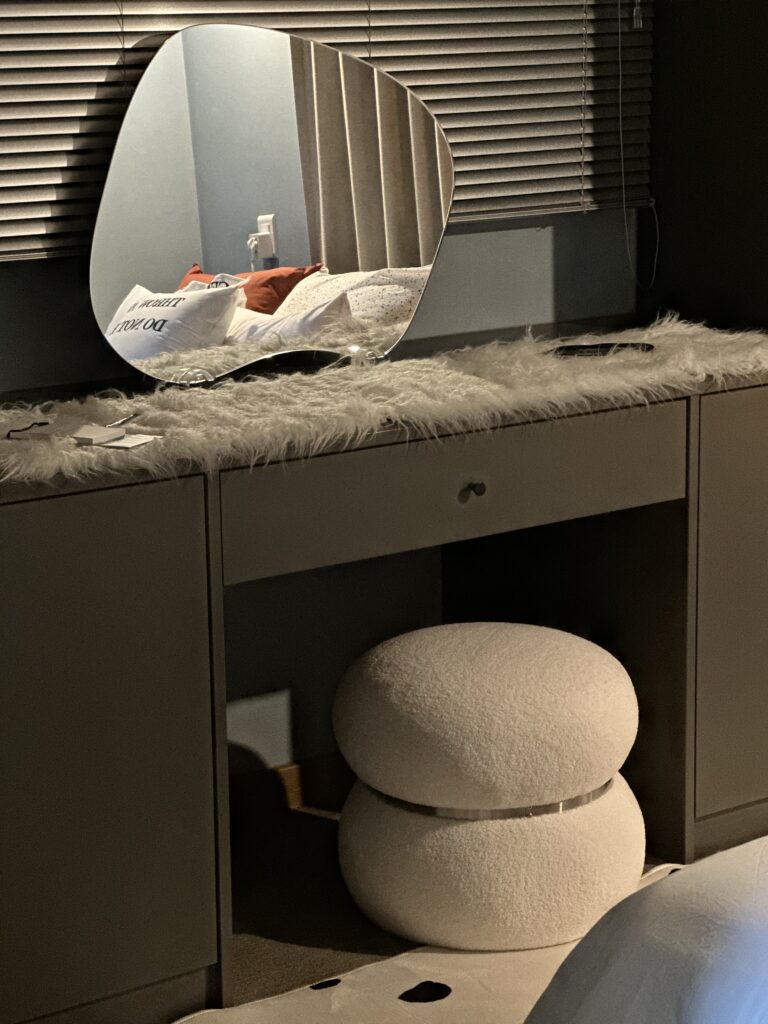

In my spaces:
- Every corner needed to feel intentional, not accidental
- Nothing could trigger that “something’s wrong here” anxiety
- Guests needed to feel held by the environment, not just housed by it
The business impact: Guests consistently mentioned feeling “safe,” “calm,” and “at home immediately” in reviews. I was designing for my nervous system, but it turned out exhausted travelers needed the same thing.
Lesson 2: Sensory Regulation Isn’t Optional
Practical Application:
- Install 3+ lighting options per room
- Mix textures (soft throws, smooth surfaces, natural materials)
- Use consistent scent branding
- Curate background music for arrival
BPD comes with sensory sensitivity. Harsh lighting triggers anxiety. Certain textures feel wrong. Overwhelming visual clutter creates mental chaos. I learned to curate environments that regulated my nervous system rather than activated it.
My specific sensory toolkit:
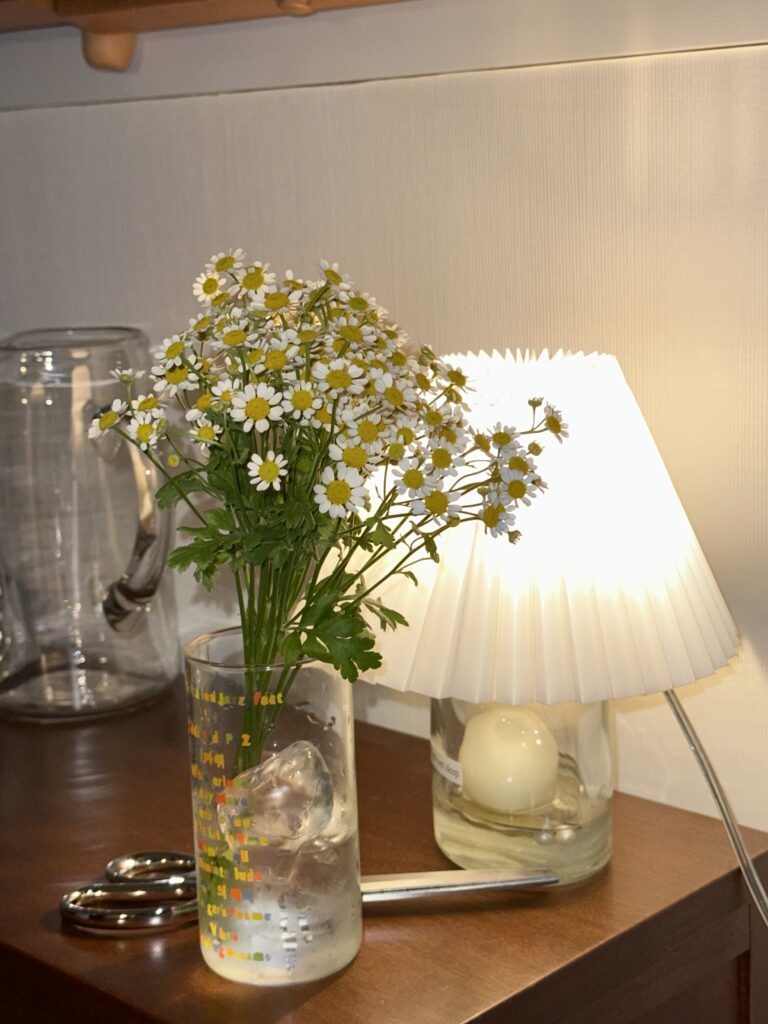
- Multiple lighting options for different emotional states (I literally cannot have too many lamps)
- Varied textures for grounding during difficult moments
- Strategic scent curation: Grass-scented candles that provide natural aromatherapy without artificial chemical smells (though my fragrance obsession taught me that once you develop a “privileged nose” with high-end aromatherapy like Maison Christian Dior’s Eden-roc, returning to basic products becomes difficult)
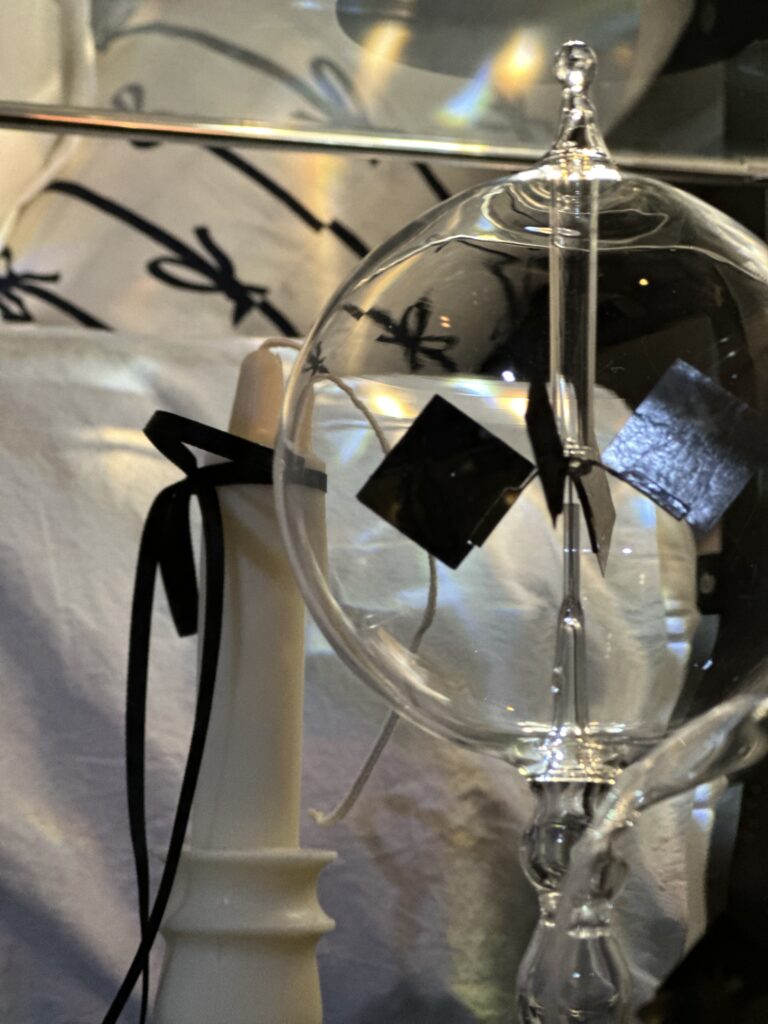
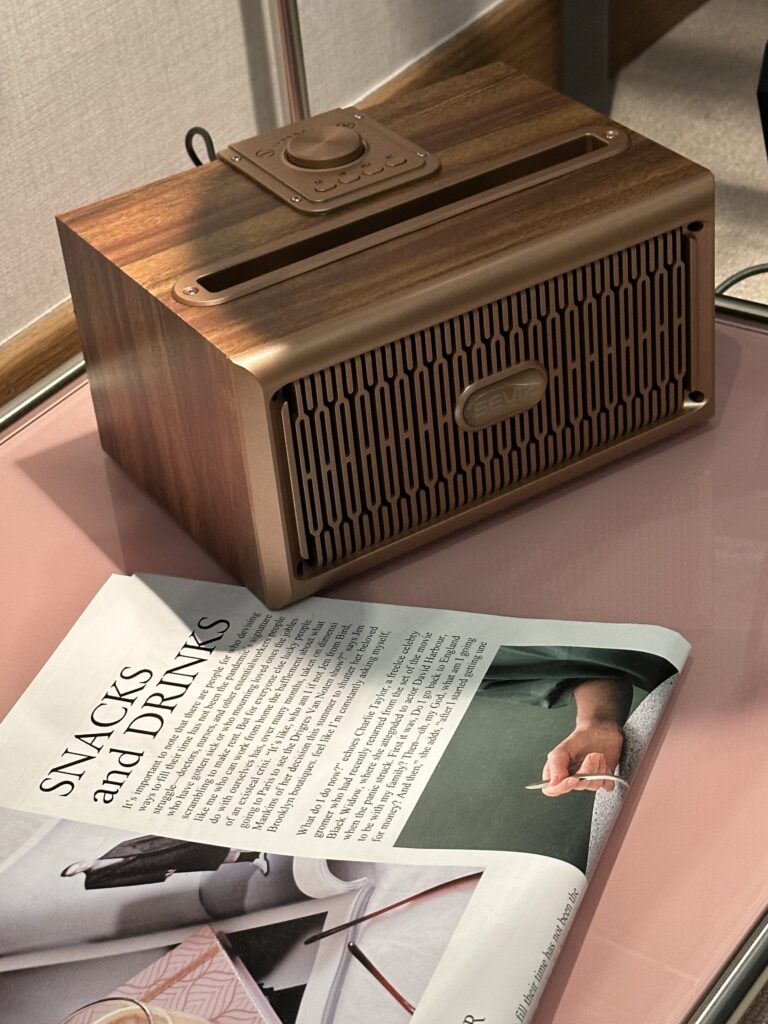
- Visual interest without clutter: A glass radiometer that catches sunlight and creates gentle movement and reflection—adding sensory richness without overwhelming limited square footage
- Sound curation: Piano jazz for April Breeze, different playlists for each property
The business impact: Guests mentioned these specific sensory elements in 73% of reviews. They didn’t know they needed sensory regulation—they just knew something felt different and better.
Lesson 3: Control Reduces Panic
When you’re managing BPD, unpredictability is the enemy. I needed to control as many variables as possible to maintain stability. This translated directly into hospitality excellence.
What this looked like:
- Systems for everything so nothing was left to chance
- Arrival atmosphere pre-set (music playing, scent active, lighting adjusted)
- Custom guest booklets for each property with check-in instructions, accommodation etiquette, cautions, and FAQs—eliminating confusion before it could happen
- Clear organization so guests never felt lost or confused
- Consistent quality that built trust
The booklets were born from my own need for clarity and certainty. When my brain is already managing emotional dysregulation, I can’t afford ambiguity or unexpected situations. I needed to answer every possible guest question before they had to ask it, because unanswered questions create anxiety—for me and for them.
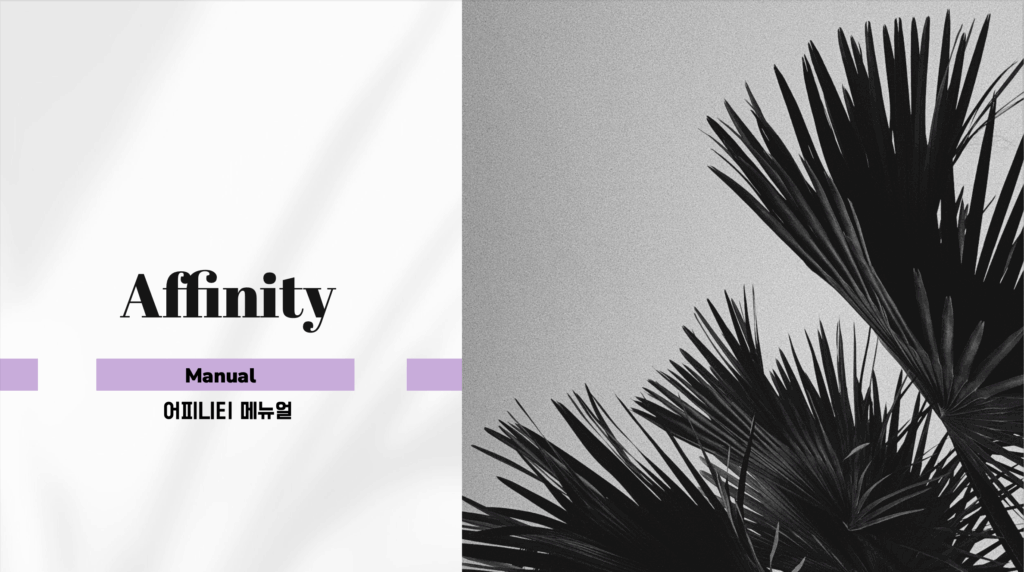
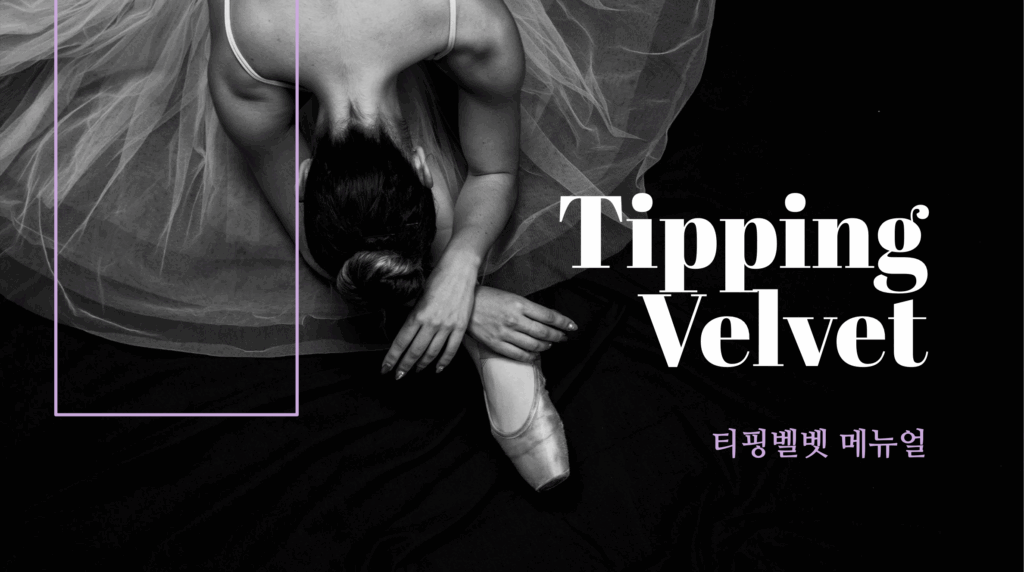
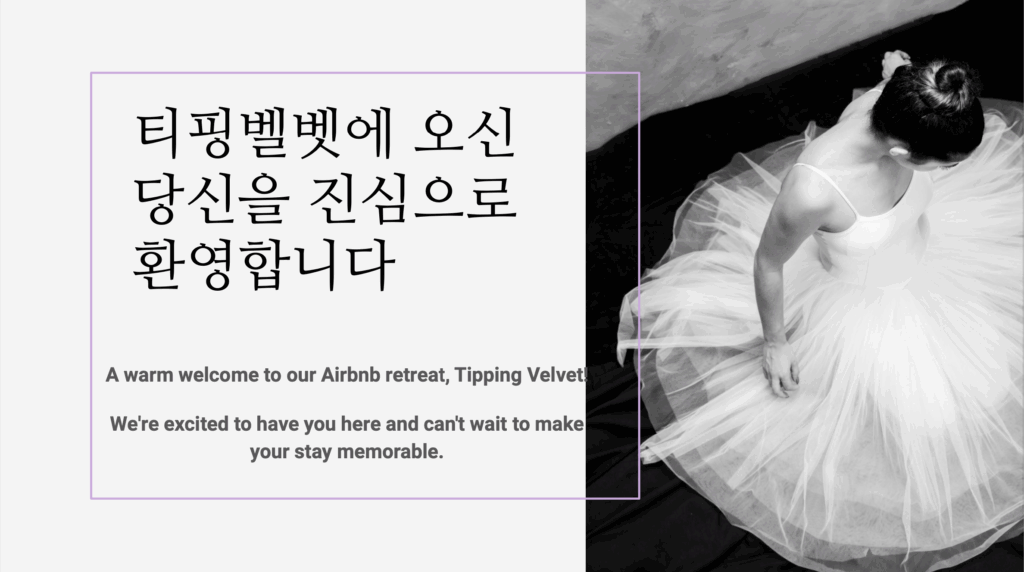
Each booklet included:
- Visual check-in guide (because written instructions can be misunderstood)
- House rules presented positively (what to do, not just what not to do)
- Troubleshooting section (WiFi issues, appliance instructions, emergency contacts)
- Local recommendations (restaurants, convenience stores, public transport)
- FAQ section addressing questions I’d been asked before
The business impact: Zero complaints about confusing check-ins, missing items, or unclear instructions. My need for control created seamless guest experiences. Guests mentioned the booklets specifically in reviews, calling them “thoughtful,” “professional,” and “so helpful.”
Temple Living: 100 Square Feet of Forced Wisdom
Living in my 100-square-foot temple room has been both medicine and teacher. With only a table and sleeping mat, I learned what Buddhist philosophy calls “spacious mind”—when your physical environment is uncluttered, your mental environment follows.
The temple’s 4:30 AM wake-up bell rings the same whether your heart is whole or shattered. The monks here don’t rush you to be “better”—they just teach you how to sit with whatever is arising.
The Temple Teachings That Shaped My Airbnb Philosophy
“If you don’t release unnecessary possessions, you’ll live with a cluttered mind.”
This hit differently when you’re managing BPD. Mental clutter isn’t just uncomfortable—it’s dangerous. The temple forced me to question: Does this object serve my daily function or support my emotional wellbeing? Preferably both.
Applied to Airbnb: Every item in my properties serves multiple purposes. The checkered slippers aren’t just cute—they signal hospitality and prevent cold floors (comfort + function). The chrome cart isn’t just aesthetic—it organizes essentials and creates visual cohesion (beauty + practicality).
“Beauty of nothingness” doesn’t mean deprivation—it means focus.
The temple taught me that minimalism isn’t about having less for its own sake. It’s about removing distractions so you can actually appreciate what remains.
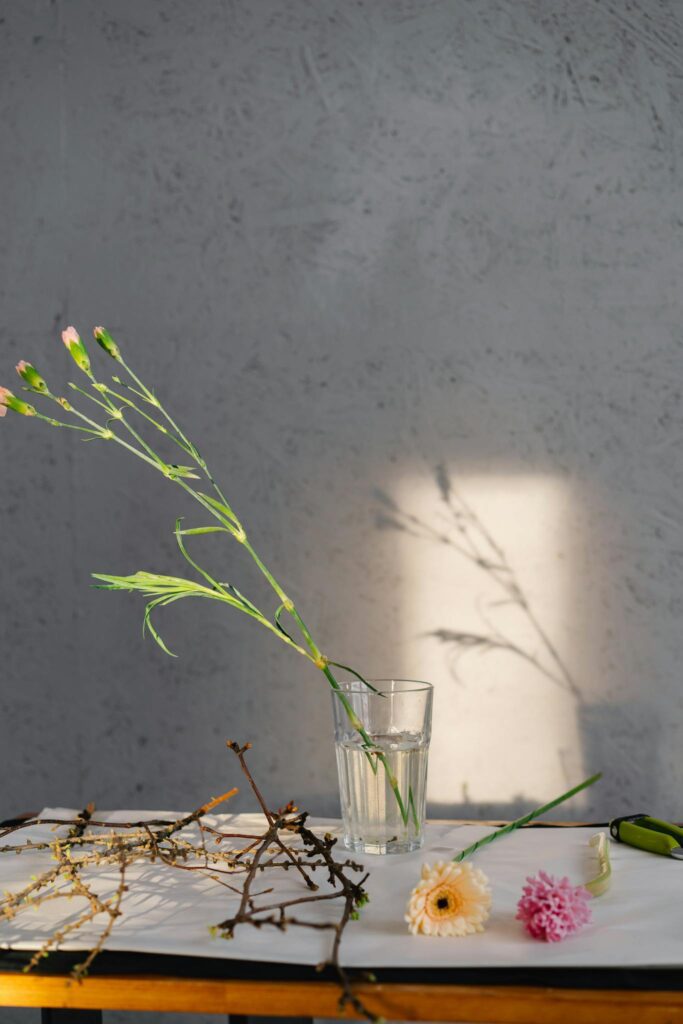
Applied to Airbnb: My rule: if I haven’t used something in six months, it goes. I still love design and collecting beautiful objects, but I cycle them intentionally—buy things, enjoy them, pass them on. This keeps spaces feeling fresh and minimal without sacrificing personality. Guests notice the curation, not the emptiness.
Why Physical Sanctuary Matters More Than Personal Relationships
The realization hit me hard after my girlfriend and I broke up on August 27th—the day before what was supposed to be our third anniversary. I had been using her as my emotional safe zone, and when she left, I discovered I had no physical space to retreat to during panic attacks.
For three months when I was sick, we lived together in the garage room at my parents’ house. She took care of me there. When I left for the temple, I stopped at that doorway and broke down crying, surrounded by the ghost of what we used to be—the ordinary moments, the conversations about our future, the sense of being held.
That realization was brutal but necessary. You can never rely on another person to be your panic room. People leave. Relationships end. But your physical environment remains.
Creating Intentional Panic-Safe Corners
That’s when I created my first intentional panic-safe corner: a simple beanbag, a lamp with warm lighting, a good speaker loaded with my favorite album, and space for a cup of coffee. Nothing fancy, but it became my sanctuary.
In each Airbnb property, I designated specific retreat zones—spots that signal to the nervous system “you’re safe here”:
- AFTY: Beanbag with warm lighting, speaker with curated music, space for coffee
- April Breeze: Chrome cart setup that doubles as a sensory comfort station
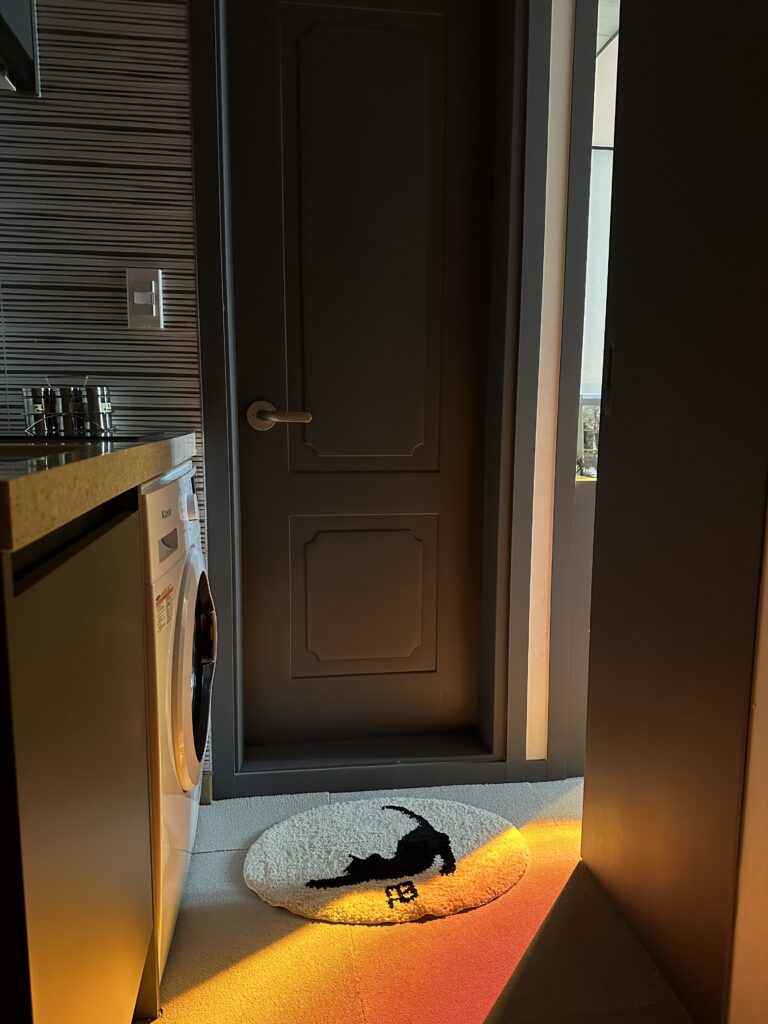
- Tipping Velvet: Sheep ottoman with rainbow projections creating gentle distraction
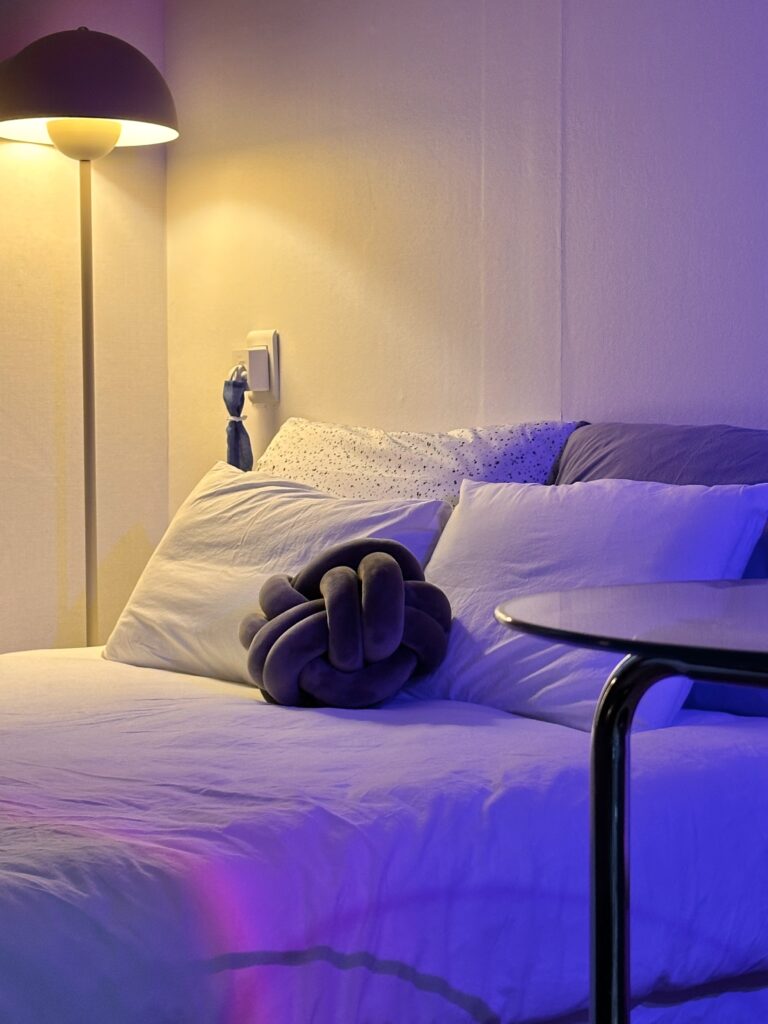
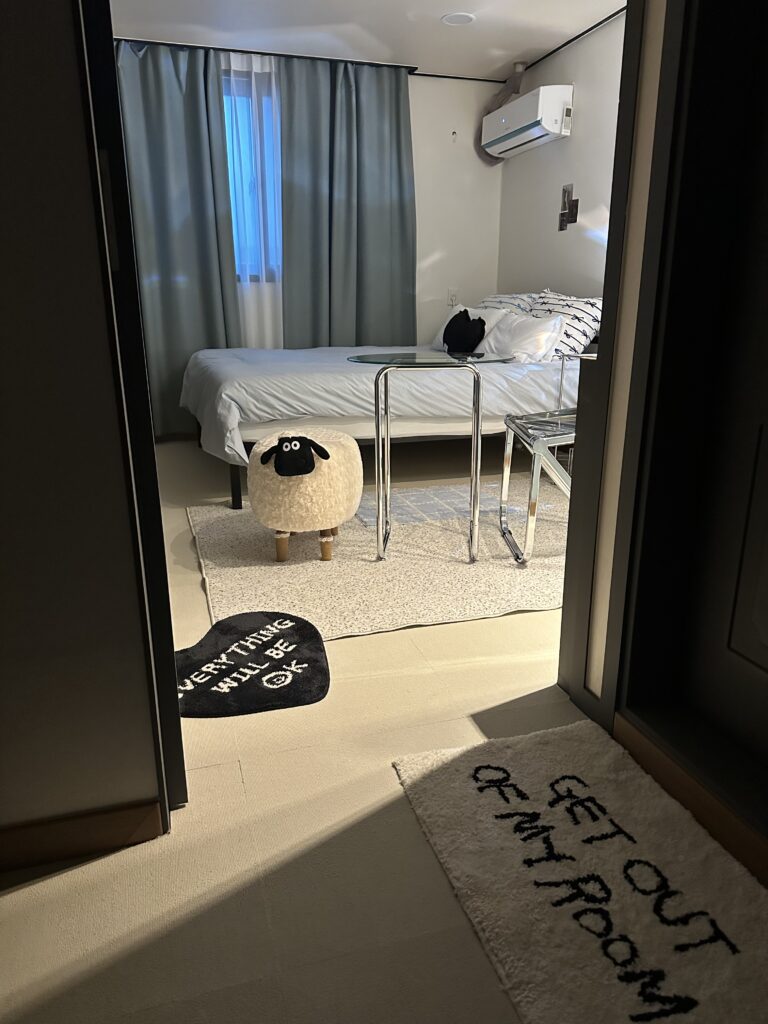
These weren’t Instagram moments. They were functional emotional regulation tools that guests instinctively used without understanding why.
The Uncomfortable Reality: The Fine Line Between Comfort and Overwhelm
Here’s what I learned the hard way: there’s a crucial difference between sitting with emotional pain and drowning in it.
I know this difference because I’ve experienced both extremes. I’ve had episodes where emotions completely overwhelmed my nervous system—hyperventilation that led to collapse, shaking that wouldn’t stop, moments where my body shut down entirely under emotional stress.
Drowning in pain looks like:
- Endless rumination that goes in circles without resolution
- Emotional states that intensify rather than gradually shift
- Pain that feels like it’s becoming your entire identity
- Physical sensations that compound without relief
Sitting with pain looks like:
- Acknowledging the feeling without trying to fix it immediately
- Observing emotions as temporary visitors rather than permanent residents
- Staying present with physical sensations
- Maintaining awareness that you are experiencing the emotion, not becoming it
This distinction became critical in my design work. I needed to create spaces that helped people sit with difficult feelings without drowning in them—environments that supported emotional processing without amplifying distress.
The Unexpected Advantage: Designing from Vulnerability
Most Airbnb hosts design from a place of “what should a rental look like?” I designed from “what does a person in crisis need?”
Turns out, people don’t travel because everything’s going perfectly. They travel when they need escape, rest, or change.
How BPD Made Me Better at Guest Psychology
I understood emotional overwhelm: When guests arrived after long travel days, I knew they needed immediate comfort, not “figuring things out.” Everything was ready. Nothing required decisions or problem-solving.
I recognized the need for control in chaos: Adjustable lighting, clear organization, and predictable systems gave guests the same sense of control that helps me manage BPD episodes.
I valued sensory comfort over visual impressions: While other hosts focused on Instagram-perfect aesthetics, I prioritized how spaces felt to occupy. Soft textures, good scents, pleasant sounds—the things that actually soothe stressed nervous systems.
I designed for actual rest, not just sleep: People with BPD know the difference between being in a space and feeling held by a space. I created the latter.
The Questions I Ask That Other Designers Don’t
“How would this space feel during a panic attack?”
If the answer is “worse,” the design needs to change. This question eliminated harsh lighting, confusing layouts, and anything that could amplify distress.
“Does this create or reduce decision fatigue?”
People with BPD experience decision fatigue intensely. Clear organization, pre-set systems, and obvious functionality reduce cognitive load—something exhausted travelers desperately need.
Applied to Airbnb: I created custom booklets for each property answering every possible question before guests had to think about it. Visual check-in guides, troubleshooting sections, house rules presented positively, local recommendations—everything designed to eliminate the mental work of “figuring things out” when you’re already tired from traveling.
The result? Guests consistently mentioned feeling immediately comfortable and knowing exactly what to do without having to ask.
“Would I feel safe letting my guard down here?”
If I can’t relax in the space, guests won’t either. This question drove every safety improvement and comfort investment.
My Plant Journey Reality Check
Having BPD and ADHD means my plant enthusiasm comes in intense waves followed by periods of complete neglect. I learned this the hard way when a rainstorm killed my entire collection after I’d impulsively moved them all outside.
My current favorite is the staghorn fern—it doesn’t need a pot and can be mounted on walls like natural art. I style mine to look like hunting trophies, which adds both classic and natural elements. The wall-mounted approach also protects them from my inconsistent watering habits while adding vertical interest to small rooms.
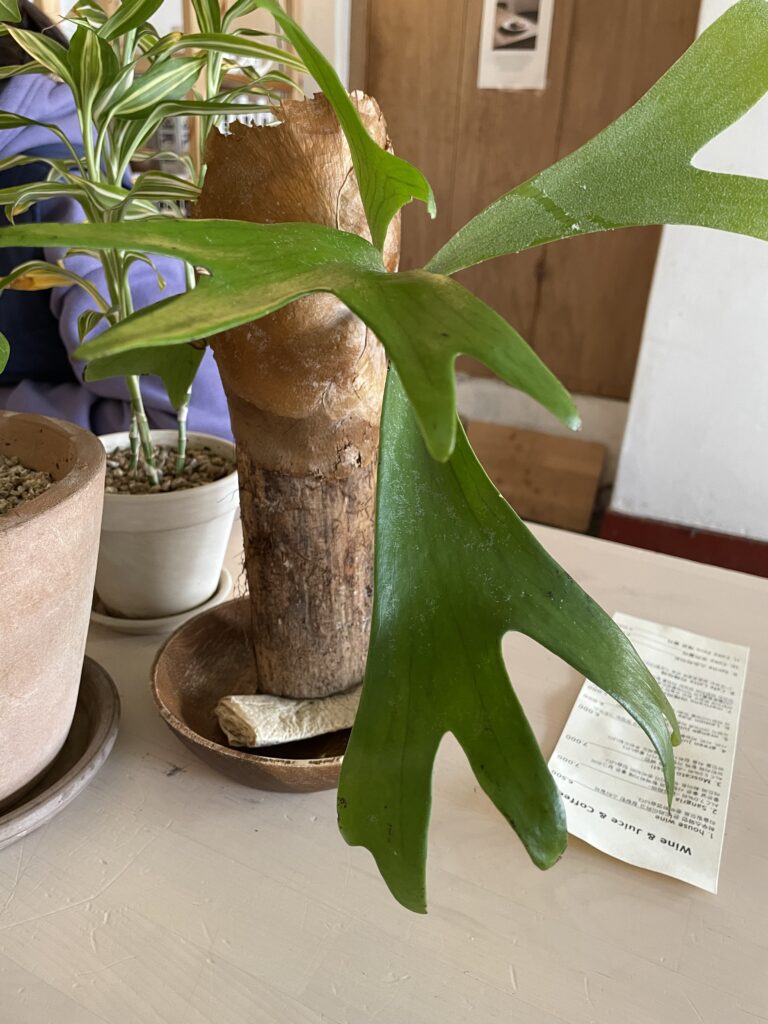
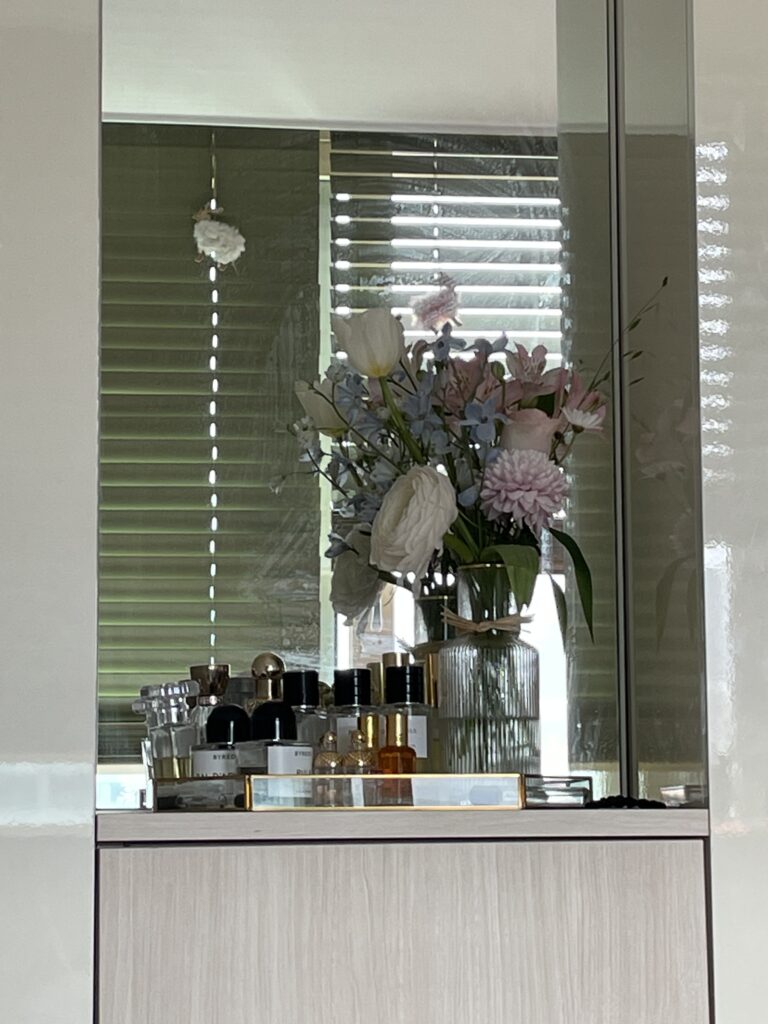
Applied to Airbnb: Choose plants that tolerate neglect and guest inconsistency. Snake plants, ZZ plants, pothos, and mounted air plants work perfectly. They add biophilic benefits without requiring the kind of consistent care that neither you nor your guests can guarantee.
The Data: When Mental Health Meets Business Success
The numbers prove this approach works:
Booking Performance:
- 90%+ occupancy across all properties
- Premium pricing 20-30% above market
- Full occupancy in non-tourist locations
Guest Feedback Themes:
- “Most comfortable place I’ve stayed”
- “I want to decorate my home like this”
- “I slept better here than in my own bed”
- Specific mentions of feeling “safe,” “calm,” “restored”
Financial Results:
- ₩7.73M monthly profit
- 944% annual ROI
- Superhost status maintained across all properties
My mental health challenges weren’t obstacles to overcome—they were the foundation of my competitive advantage.
The Business Case: ROI of Psychological Design
Investment in Emotional Comfort:
- Multiple lamps: $60-100
- Sensory elements: $50-80
- Organization systems: $40-60
- Custom booklets: $20 + time
- Total: Under $250 per property
Returns Generated:
- 20-30% premium pricing
- 90%+ occupancy (vs. 60% market average)
- Superhost status (more visibility)
- Organic referrals (free marketing)
- ROI: 944% annually
The math is clear: psychological comfort generates more profit than luxury amenities.
What This Means for Other Hosts
You don’t need BPD to apply these principles. You just need to shift from “what should this look like?” to “how should this feel?”
The Mental Health Design Framework for Anyone
Design for nervous system regulation:
- Multiple lighting options for different moods (warm lamps everywhere)
- Varied textures for sensory comfort
- Clear organization to reduce anxiety
- Scent and sound curation for atmosphere
Create psychological safety:
- Designated retreat zones in every space
- Clear boundaries and expectations
- Custom information booklets that answer questions before they’re asked (visual check-in guides, house rules, troubleshooting, local tips)
- Systems that reduce unpredictability
- Comfort that allows vulnerability
Prioritize emotional needs:
- Sleep quality over bed aesthetics
- Functional flow over decorative arrangement
- Sensory comfort over visual trends
- Rest capability over entertainment options
The Uncomfortable Truth About “Accessible” Design
The therapeutic design principles that helped me manage BPD aren’t special accommodations—they’re universal human needs that most spaces ignore.
Everyone benefits from:
- Environments that don’t trigger stress responses
- Spaces that support emotional regulation
- Design that reduces cognitive load
- Atmosphere that promotes genuine rest
The difference is that people with mental health challenges can’t ignore these needs. We design for them out of necessity. But once we do, everyone benefits.
Living Proof: Guest Reviews That Validate the Approach
“The room atmosphere was so good and it was beautifully decorated!! The gentle music playing made the atmosphere even better!!! And the bed mattress was totally my style! I rested really well~”
“Everything was clean and emotional, and everything was prepared without lacking anything. The bed was spacious, hot water worked well, and I rested comfortably.”
“The room is so good^^ Full of atmosphere!! The scent makes me feel so good~ Even the music really makes it feel like I came here to have fun :)”
“I want to decorate my home like this place too (you have golden hands…) I want to rest and sleep here again with my girlfriend in spring!”
These reviews describe exactly what I needed during my darkest BPD moments: spaces that actively supported emotional regulation through sensory comfort, clear organization, and intentional atmosphere.
The Ongoing Journey: Managing BPD While Building a Business
I’m not “recovered” from BPD. I’m managing it, daily, with varying success. The temple room is helping. The intentional design helped. The systems and routines help.
Some days are still hard. Yesterday I helped the temple kitchen volunteer peel apples and cut vegetables for the meal service, and for a moment I was genuinely present—just hands in soapy water, learning something new, feeling useful. Then my brain jumped to: “I should have learned to cook better for her. I should have packed lunches for her.”
But maybe that’s progress—being able to help in the kitchen even while missing what I lost. Being able to create beautiful spaces for others even while rebuilding my own sense of sanctuary.
What I’m Still Learning
The balance between minimalism and personality: Temple wisdom says release everything unnecessary. BPD makes me want to collect beautiful objects. I’m learning to cycle items intentionally—buy, enjoy, pass on—rather than choosing deprivation or excess.
When to rest versus push: Running 5 properties while managing mental health requires constant calibration. The same sensory sensitivity that makes me a good designer can also lead to overwhelm.
How to share this story: For years, I hid the BPD diagnosis, worried it would undermine my credibility. Writing this post is uncomfortable. But if my experience helps even one person—host or guest—understand that mental health challenges can become strengths, it’s worth the vulnerability.
Your Design Psychology Action Plan
Transform your hosting success by prioritizing psychological comfort over aesthetic trends:
Week 1: Audit Your Space
- Walk through as an exhausted traveler
- Identify stress triggers
- Note confusion points
Week 2: Implement Core Changes
- Add varied lighting options
- Create retreat zones
- Develop clear systems
Week 3: Document Everything
- Create visual guides
- Write custom booklets
- Preset arrival atmosphere
Week 4: Test and Refine
- Track specific review mentions
- Note what guests actually use
- Adjust based on behavior
Resources for Hosting Success
Free Download: “The Psychological Comfort Checklist” – 50 points that drive 5-star reviews without luxury budgets.
Template Pack: “Guest Booklet Templates” – Customizable guides that eliminate confusion and boost satisfaction.
Coming Next: “The $250 Room Transformation That Doubled My Bookings” – Exact shopping list and setup guide.
Connect With Other Hosts:
What psychological comfort element has most improved your reviews? Share your discovery below—I personally respond to every hosting question.
Note: While this post shares personal experiences with mental health to illustrate design principles, always seek professional support for mental health concerns. Design strategies complement but don’t replace proper care.a and show how challenges can inform creativity—not to suggest that design alone is treatment.