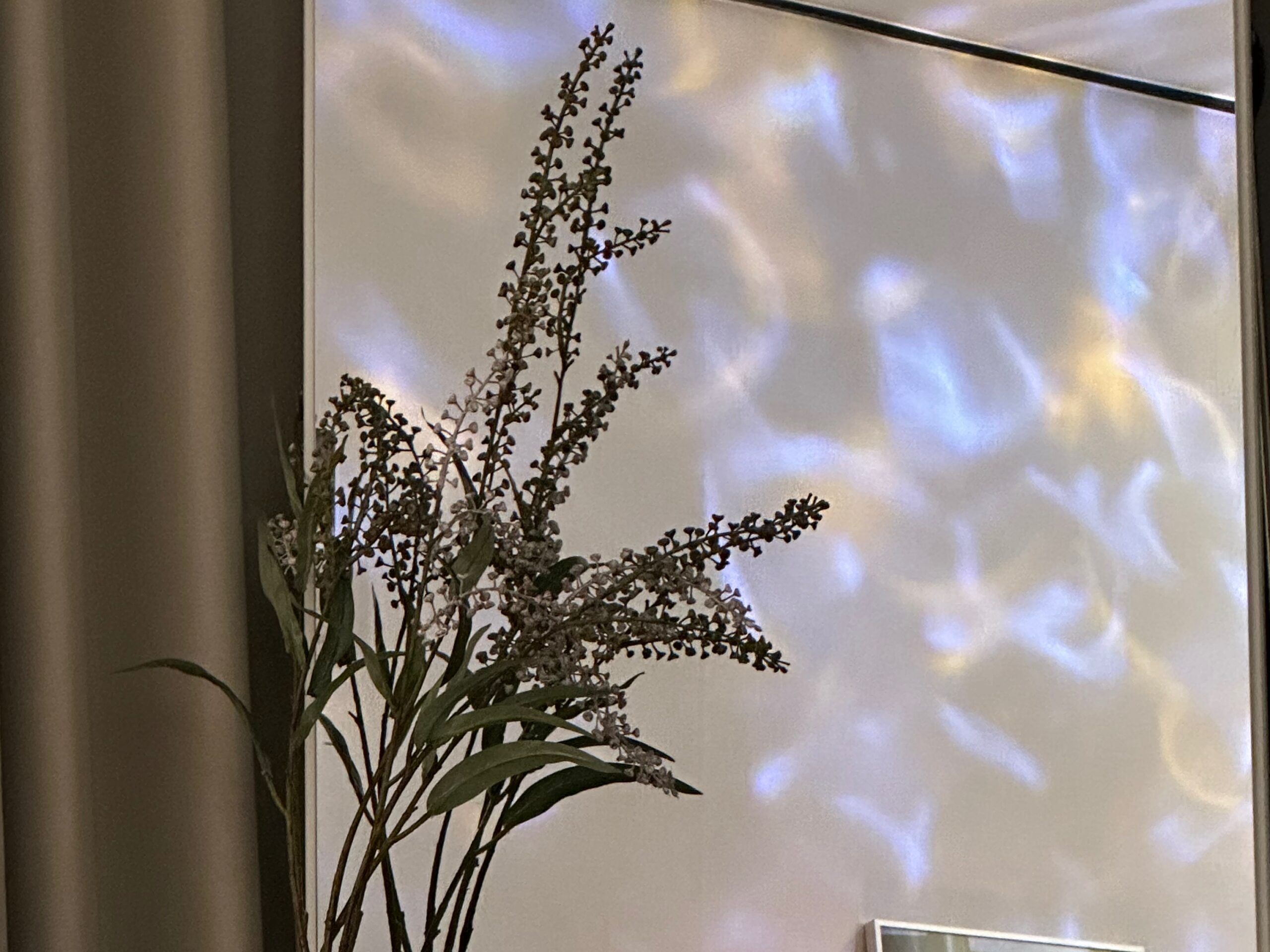
Small Space Design Ideas: Complete Guide to Creating Calming Apartments

Small space design for mental health isn’t just about making your apartment look pretty—it’s about creating an environment that actively supports your emotional wellbeing, reduces anxiety, and helps you function better every single day.
After transforming five small apartments into fully-booked Airbnb properties with 500+ five-star reviews, I discovered something surprising: the same design principles that helped me manage my BPD and depression were exactly what guests craved most. They didn’t just want Instagram-worthy spaces—they wanted rooms that made them feel calm, safe, and genuinely rested.
The apartments averaged 90% booking rates in locations with zero tourist attractions. Guests consistently mentioned specific design elements in reviews: “I slept better here than in my own home.” “The space felt instantly calming.” “Every detail supported my need to decompress.”
Here’s what I learned through three years of hosting and my own healing journey: therapeutic small space design isn’t about square footage or unlimited budgets. It’s about understanding how your environment affects your nervous system and making strategic choices that support both daily living and emotional regulation—whether you’re managing mental health challenges or simply wanting a home that feels like a sanctuary.
In this complete guide, you’ll discover:
- The 5 pillars of therapeutic small space design (tested in real homes, proven with real people)
- How to create anxiety-reducing spaces on any budget ($50, $200, or $500+ transformations)
- Room-by-room strategies for bedrooms, living spaces, kitchens, and bathrooms
- The biggest mistakes that sabotage mental wellness in small spaces (and how to avoid them)
- Exactly which design elements guests mentioned most in five-star reviews
- Buddhist temple wisdom applied to modern apartment living
- Rental-friendly solutions that work without losing your deposit
Whether you’re managing BPD like me, dealing with anxiety or depression, or simply wanting your small space to support your wellbeing, this guide will show you exactly how to create a home that works for your mental health, not against it.
My credentials: Five Airbnb Superhost properties, 500+ guest stays, lived experience with BPD and therapeutic design, current Buddhist temple stay coordinator, and someone who transformed a 400-square-foot studio during rock bottom into a healing space that became the blueprint for everything that followed.
Let’s start with why your environment matters more than you think.
🎁 Want my complete Small Space Design Checklist?
Get the printable guide + weekly tips!
Why Small Spaces + Mental Health Matter
The connection between our living environment and mental wellbeing isn’t just intuitive—it’s scientifically documented. Research from Hong Kong, where space constraints mirror many urban realities, reveals how limited dwelling size significantly impacts mental health, particularly for those spending the most time at home. The study focused on subdivided units—tiny compartments carved from larger spaces—and found measurable effects on psychological wellbeing, especially among caregivers who bear the emotional and physical load of maintaining these challenging environments.
For me, this research hits devastatingly close to home. During the darkest period of my BPD and depression, I was crammed into a dorm room with a roommate—two single beds, two closets, and barely enough space to breathe, let alone heal. When my BPD diagnosis came, I knew instinctively that I needed something most people take for granted: a sanctuary where I could let my guard down completely.
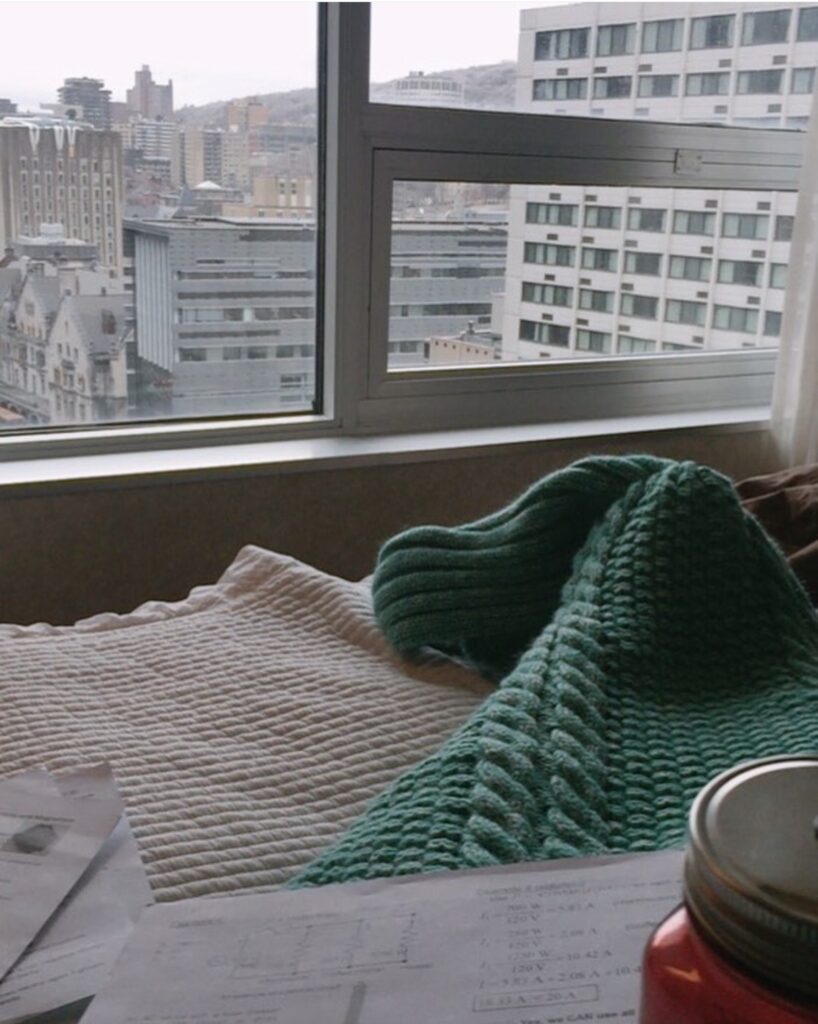
That’s when home styling became my unlikely therapy. By intentionally choosing vibrant colors and unique design elements, I literally brought life back into my world. After years of experiencing everything through what felt like a black and white filter, suddenly I had color again. Each thoughtful design choice became an act of self-care, a declaration that I deserved beauty and comfort despite my circumstances.
This isn’t just about aesthetics—it’s about survival. When you’re managing mental health challenges in a small space, every design decision either supports your healing or undermines it. Your environment becomes your co-therapist, working for you 24/7 to create the emotional regulation and peace of mind that traditional therapy sessions can only provide for an hour at a time.
That realization changed everything about how I approach small space design.
The Psychology Behind Healing Spaces
Understanding why certain spaces make us feel calm while others trigger anxiety isn’t just intuition—it’s neuroscience. Research shows that environmental exposure physically affects the neural pathways in our brain responsible for cognitive function, mood regulation, and stress response. When we’re surrounded by chaotic, cluttered, or harsh environments, our nervous system remains in a heightened state of alert. Conversely, thoughtfully designed spaces can actually rewire our stress responses over time.
How Your Environment Affects Your Nervous System
Your brain processes environmental cues constantly, even when you’re not consciously aware of them. Factors like noise levels, natural light exposure, air quality, and visual organization all send signals to your nervous system about whether you’re safe or under threat. Cluttered spaces trigger overwhelm and anxiety because your brain interprets visual chaos as potential danger, while organized environments signal safety and allow your nervous system to relax.
The Science of Color Psychology
Pablo Picasso once said, “Colors, like features, follow the changes of the emotions”—and modern psychology backs this up. Colors can influence physiological reactions including blood pressure, metabolism, and stress hormones. Cool blues and greens typically lower cortisol levels, while warm yellows and oranges can boost energy and mood. Understanding these responses allows us to strategically use color to support our emotional regulation needs.
Texture and Sensory Impact
Our skin is our largest organ, and texture perception profoundly affects our emotional state. Soft textures like cotton throws or smooth wood surfaces promote feelings of safety and calm, while rough or cold materials can increase alertness and stress. This is particularly relevant for those managing anxiety or sensory processing challenges—the right textures can serve as constant, subtle therapy throughout the day.
Light’s Role in Mental Wellness
Light directly influences serotonin and melatonin production, affecting both mood and sleep quality. Natural light exposure during the day supports healthy circadian rhythms, while warm, dim lighting in the evening promotes relaxation. Strategic lighting design can literally regulate your brain chemistry.
Temple Wisdom: The Power of Intentional Minimalism
Living in my 100-square-foot temple room has been revelatory. With only a table and sleeping mat, every object must serve a purpose. This forced intentionality creates what Buddhist philosophy calls “spacious mind”—when your physical environment is uncluttered, your mental environment follows. There’s profound truth in the temple teaching: if you don’t release unnecessary possessions, you’ll live with a cluttered mind. Each item in your space should either serve your daily function or support your emotional wellbeing—preferably both.
The 5 Pillars of Therapeutic Small Space Design
Affiliate Disclosure
Some links in this post are affiliate links. This means if you click through and make a purchase, I earn a small commission at no additional cost to you.
Here’s my promise: I only recommend products that fit my “small space therapeutic design” philosophy—things I’ve personally used in my own healing journey or in my 5 Airbnb properties. If something didn’t work for me or my guests, it won’t appear here.
As an Amazon Associate, I earn from qualifying purchases. Thank you for supporting Suinny Everyday—your clicks help fund my temple stay, therapy sessions, and way too many staghorn ferns. ♡
[Read my full disclosure policy →]
A Note on “Guest Design” vs. “Resident Design”
Before you implement any of this, understand: I design differently for spaces I live in versus spaces I host in.
This guide covers both – and I’ll be clear about which advice applies where.
Living in a small space with BPD/mental health challenges:
- Needs flexible, forgiving systems
- Requires emotional regulation tools
- Benefits from constantly evolving based on your needs
Hosting in a small Airbnb:
- Needs photo-ready consistency
- Requires guest-proof durability
- Benefits from “set it and forget it” simplicity
The mistake most advice makes: Treating these as the same problem. They’re not.
I’ll show you when to prioritize function (your mental health) and when to prioritize aesthetics (your booking rate).
Pillar 1: Safety & Boundaries
The foundation of any healing space is psychological safety—the feeling that you can truly let your guard down without fear of judgment, intrusion, or overwhelm. In small spaces, this becomes both more challenging and more crucial, as you can’t rely on physical distance to create emotional buffers.
Creating Visual Privacy in Open Spaces
Visual barriers don’t need to be walls to be effective. Tall plants, open shelving units, or hanging curtains can define your personal zones without making the space feel cramped. The key is choosing dividers that allow light to pass through—frosted glass panels, rope dividers, or even strategically placed mirrors can create separation while maintaining the sense of openness that small spaces desperately need.
Establishing Your Panic-Safe Corner
Every person managing mental health challenges needs a designated retreat zone—a specific spot that signals to your nervous system that you’re safe. This isn’t about hiding from problems; it’s about having a reliable place to regulate your emotions before they escalate.
The realisation hit me hard after my breakup. I had been using my girlfriend as my emotional safe zone, and when she left, I discovered I had no physical space to retreat to. That’s when I created my first intentional panic-safe corner: a simple beanbag, a lamp with warm lighting, a good speaker loaded with my favourite albums, and space for a cup of coffee. Nothing fancy, but it became my sanctuary.
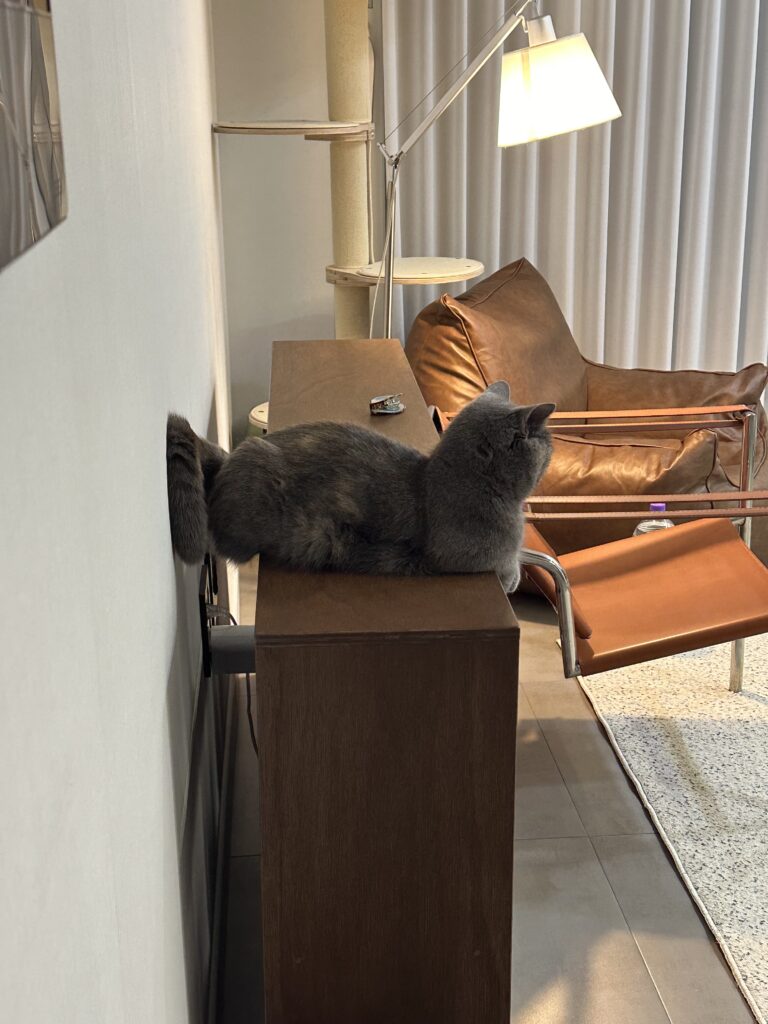
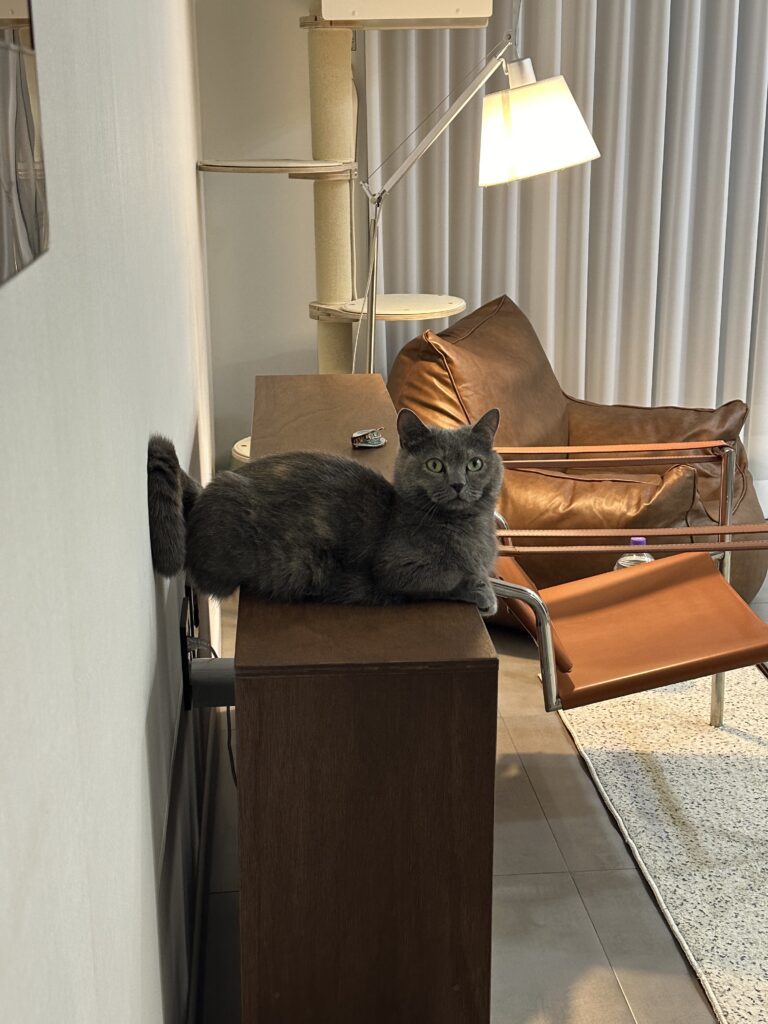
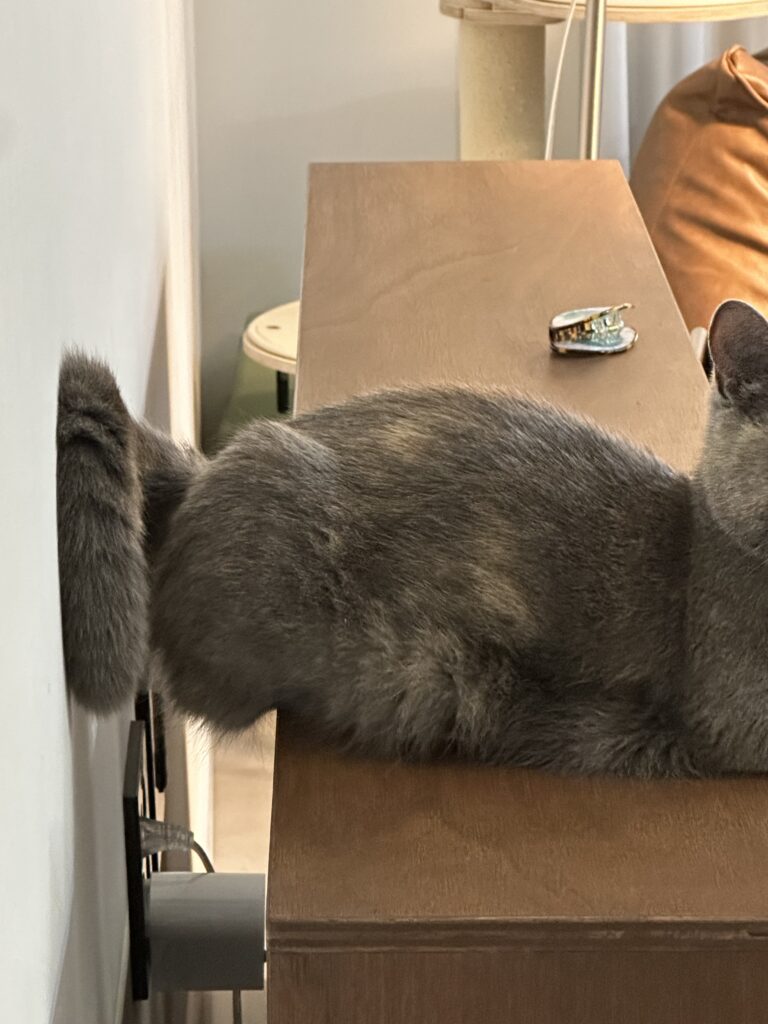
The lesson was brutal but necessary—you can never rely on another person to be your panic room. People leave, relationships end, but your physical environment remains. Creating a tangible safe zone gives you something stable to anchor to when everything else feels uncertain.
Strategic Furniture Placement
Position key furniture pieces to create natural boundaries within your space. An L-shaped seating arrangement can define a living area, while placing your bed against a corner wall (rather than floating in the center) creates an inherent sense of security and enclosure.
Pillar 2: Sensory Regulation
When you’re managing mental health in a small space, your environment needs to actively support your nervous system rather than overwhelm it. Sensory regulation through intentional design choices can mean the difference between feeling grounded or spiraling into anxiety.
Strategic Lighting for Emotional States
Lighting directly impacts your brain’s production of serotonin and melatonin, making it one of your most powerful mood regulation tools. Layer different light sources to match your needs throughout the day: bright, cool lighting in the morning to boost energy and focus, warm, dim lighting in the evening to promote relaxation.
Invest in dimmers and adjustable colour temperature bulbs like the Philips Hue White Ambiance Smart Bulbs ($34)—I use these in all 5 of my Airbnbs and guests consistently mention the lighting quality in reviews. They’re game-changers for small spaces where you can’t escape to different rooms for different moods.
Sound Management That Actually Works
Small spaces amplify both unwanted noise and beneficial sounds. Control what you can: add soft surfaces like rugs and pillows to absorb harsh echoes, use white noise machines to mask disruptive sounds from neighbours.
I keep an eye massager with built-in ambient sounds beside my bed—something like the BOB AND BRAD Eye Massager with Heat and Cooling ($59)—and it’s become essential to my evening wind-down routine. The gentle pressure combined with nature sounds or soft music helps me transition from the day’s stress into rest mode, which is crucial when managing BPD and needing consistent sleep hygiene. The darkness and sound isolation create a mini sanctuary even in my small space.
Beyond dedicated devices, intentionally introduce calming audio throughout your space: nature sounds during morning routines or instrumental music while cooking can shift the entire atmosphere of a small apartment.
Texture as Grounding Therapy
Your skin is your largest organ, and texture directly influences your nervous system. Incorporate varied textures strategically: soft throws for comfort, smooth wood surfaces for calm, and interesting tactile elements that can serve as grounding tools during anxiety.
My Sensory Toolkit
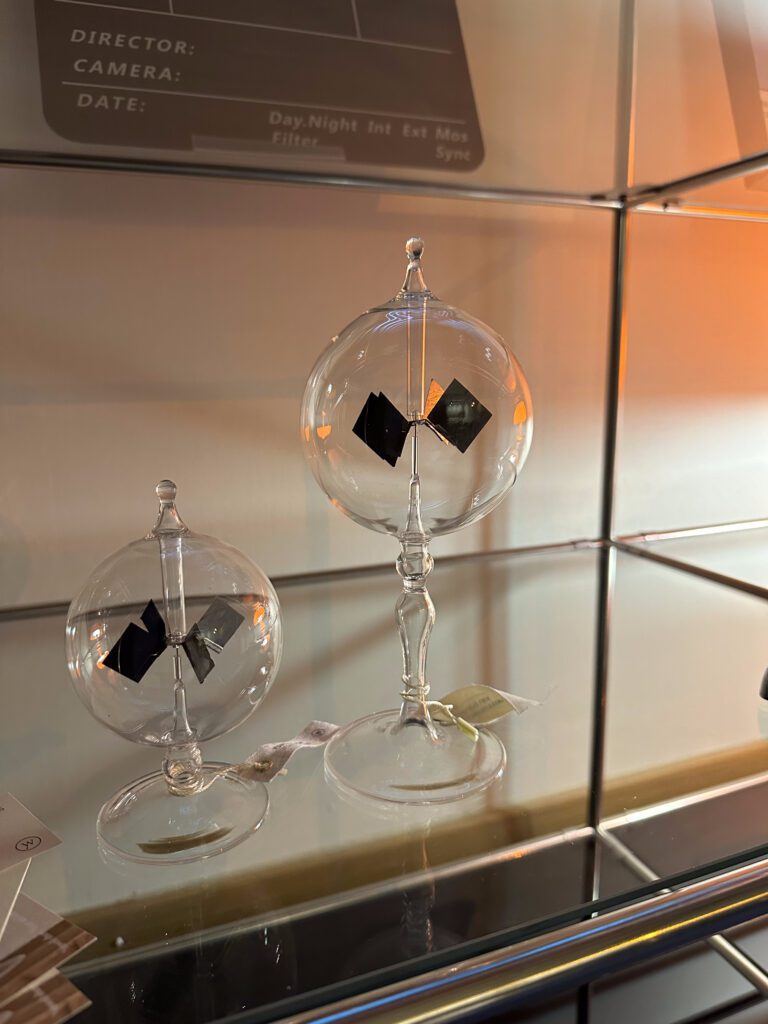
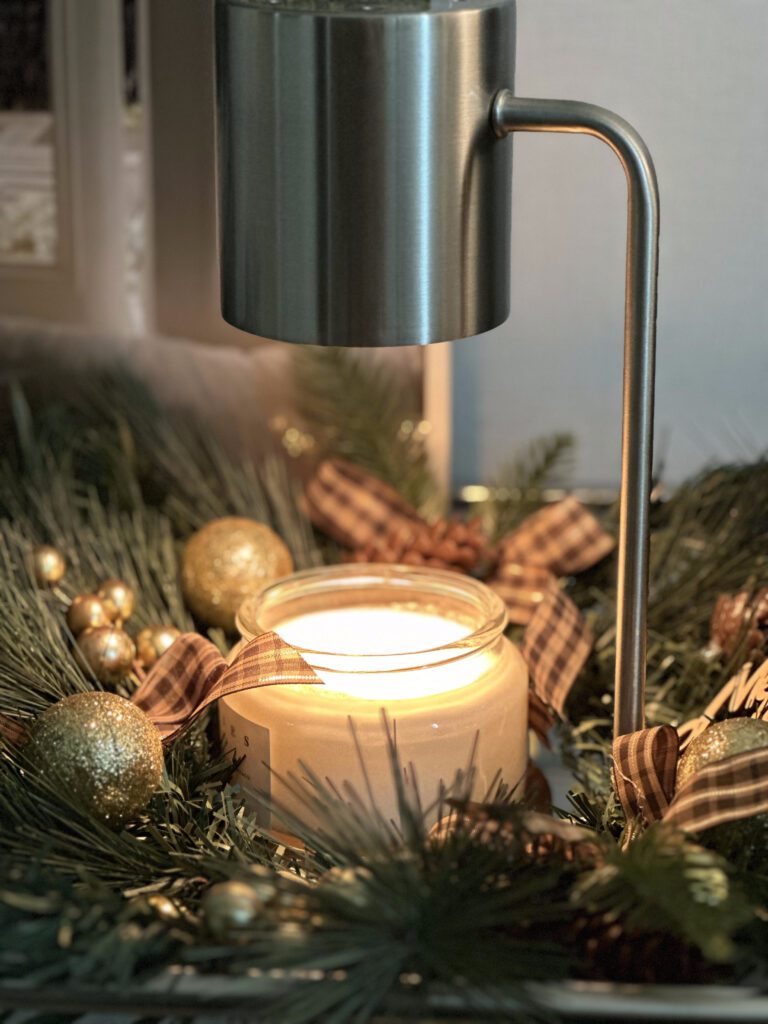
Two simple items transform my space: a Crookes Radiometer ($31) that catches sunlight and creates gentle movement and reflection, adding visual interest without clutter, and Paddywax Artisan Soy Candle ($30) that provide natural aromatherapy without artificial chemical smells. These small additions create sensory richness that supports regulation without overwhelming limited square footage.


Pillar 3: Functional Flow
In small spaces, every movement either supports your wellbeing or creates micro-stresses that accumulate throughout the day. Functional flow isn’t just about efficiency—it’s about creating movement patterns that feel natural and reduce decision fatigue when you’re already managing mental health challenges.
Traffic Patterns That Reduce Stress
Your daily movement should feel effortless, not like an obstacle course. Avoid furniture arrangements that force you to squeeze between objects or step over items to reach essentials. Create clear pathways from your bed to the bathroom, and ensure you can access frequently used items—keys, phone charger, coffee—without moving other objects first. These small daily irritations compound stress levels over time, making your space work against rather than for your mental health.
Multi-Purpose Furniture That Actually Works
The key word here is “actually.” Through managing 5 Airbnb properties, I learned
that guests and residents need completely different things—and most design
advice conflates the two.
Love these tips? Join readers getting weekly small space secrets!
💌 Want my complete Small Space Design Checklist?
Get the printable guide + weekly tips delivered to your inbox!
The Airbnb Reality: Aesthetics Trump Storage
Here’s what surprised me: guests don’t need elaborate storage solutions. They
need comfortable space to rest and a place to put their luggage. That’s it.
What I DON’T use in my Airbnbs (despite every design blog recommending them):
❌ Storage ottomans — They photograph poorly and guests rarely use hidden
storage for a 2-3 night stay
❌ Lift-up coffee tables — Bulky, dated-looking, terrible for booking photos
❌ Sofa beds — As I mentioned earlier, exhausted travelers want genuine
comfort, not furniture puzzles
What Actually Works (and Books):
Instead, I invest in visually beautiful, simple pieces that photograph well:
Midcentury Coffee Table ($99) — They look stunning in
photos and don’t need to “do more” than hold a coffee cup
Cute folding stools ($69) or compact side tables — Easy to move, aesthetically
pleasing, and guests can relocate them as needed
Closet-stored mattress toppers ($259) instead of sofa beds — I keep rolled
mattress toppers in the closet. When guests need extra sleeping space, they
simply untangle the rope and it expands—no assembly required. This keeps the
space looking clean and uncluttered in photos while still offering flexibility.
The Booking Photo Philosophy
Your Airbnb listing photos need to make people stop scrolling and think “I
want to be there.” Chunky storage furniture reads as “cramped” and “cluttered”
in photos, even if it’s technically “functional.”
I learned this after comparing booking rates: my properties with cleaner,
more aesthetically-focused furniture consistently booked 15-20% more than
comparable listings with “maximized storage.”
Guests aren’t moving in—they’re visiting. They need beauty and comfort,
not hidden compartments.
Storage: Different Rules for Guests vs. Residents
For Your Own Space (Mental Clarity):
Clutter creates mental noise that interferes with emotional regulation—especially
when managing BPD. Implement vertical storage, designated spots for daily
essentials, and clutter-free zones for relaxation.
For Airbnb Guests (Visual Simplicity):
Guests need almost no storage. What they DO need: clear surfaces, empty
closet space for 2-3 outfits, and one drawer. That’s it.
I learned to hide host clutter (cleaning supplies, extra linens, maintenance
tools) in locked closets or under-bed bins that guests never see. The visible
space stays minimal and photo-ready.
The mistake I see other hosts make: Over-organizing guest spaces with
labeled bins and drawer dividers. Guests don’t want to decode your system – they want to drop their suitcase and relax.
The goal isn’t perfect organization; it’s creating systems that reduce the cognitive load of finding and maintaining your belongings when your mental energy is already stretched thin.
Pillar 4: Biophilic Elements
Connecting with nature isn’t a luxury—it’s a biological necessity that becomes even more critical when you’re managing mental health in confined spaces. Biophilic design elements can transform cramped quarters into spaces that actively support your psychological wellbeing through our innate connection to the natural world.
Plants That Actually Thrive in Small Spaces
Choose plants based on your lifestyle, not Instagram aesthetics. For low-maintenance options that tolerate neglect, Moonshine Sansevieria (White-ish Green Snake Plant) ($16) and Black ZZ Plant ($22) are nearly indestructible—I’ve had the same snake plant at home for 3 years with minimal care. Plus, I prefer Moonshine Snake Plant to not disturb the pastel aesthetic. Satin Pothos ($24) can handle various light conditions and actually improve as they grow longer. Air Plant Variety Pack ($19 for 12) require no soil and can hang anywhere, making them perfect for ultra-tight quarters.
Budget-Friendly Natural Materials
You don’t need expensive renovations to bring nature indoors. Incorporate reclaimed wood through DIY projects, add natural textiles like linen or hemp in neutral tones, and use bamboo or cork accessories that won’t overwhelm small spaces. The key is choosing light-colored, minimalist applications that make spaces feel larger rather than cluttered.
My Plant Journey Reality Check
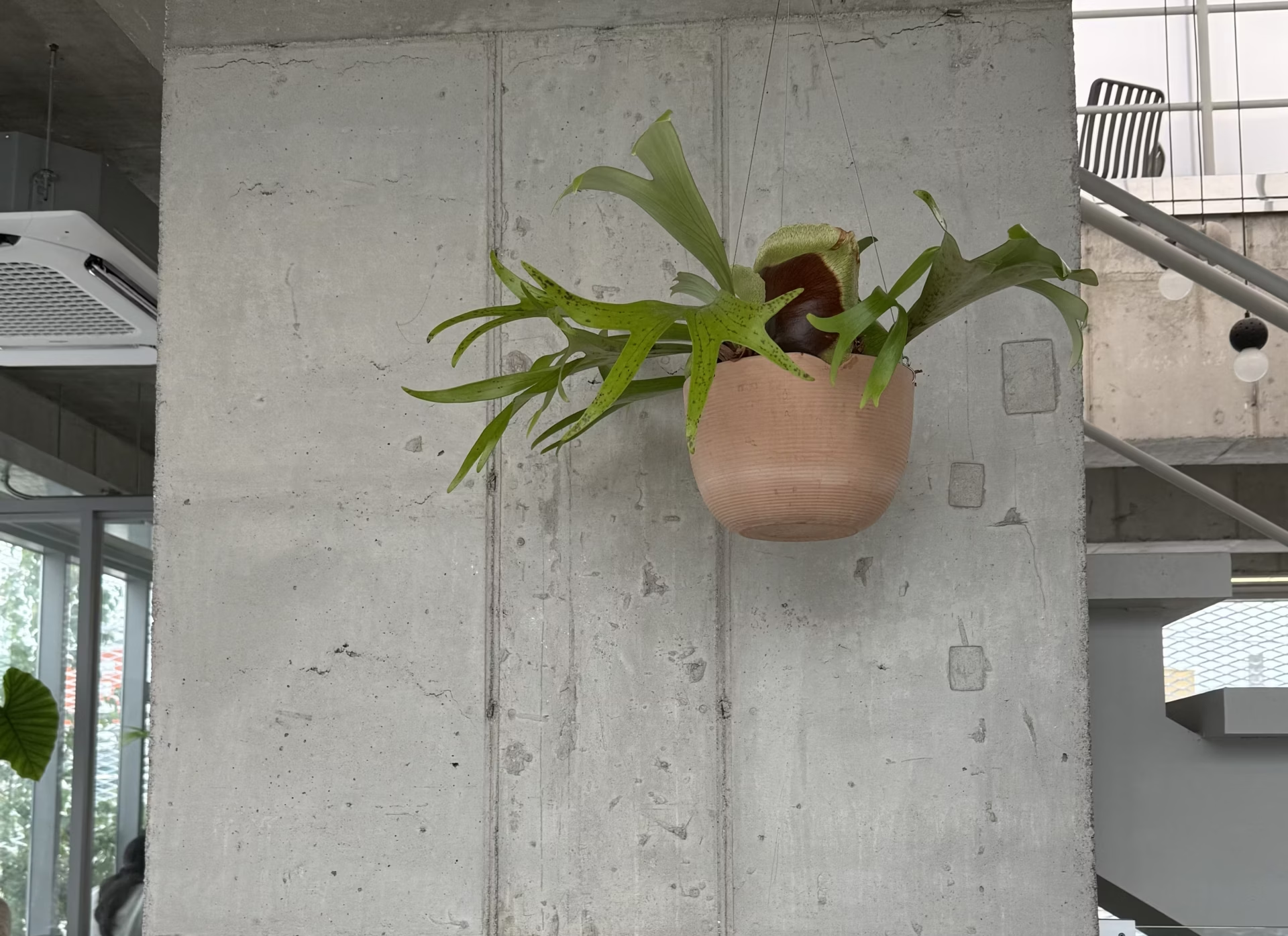
Having BPD and ADHD means my plant enthusiasm comes in intense waves followed by periods of complete neglect. I learned this the hard way when a rainstorm killed my entire collection after I’d impulsively moved them all outside—a painful reminder that I needed plants that could survive my inconsistent care patterns.
Enter the staghorn fern: my saving grace.
I discovered Staghorn ferns because they don’t need traditional pots and can be mounted directly on walls like living art. Mine are displayed like hunting trophies using wooden mounting plaques — it adds both classic and natural elements to my small living space while keeping them out of reach during my “forget plants exist for two weeks” phases.
Why wall-mounted staghorns work for ADHD/BPD plant parents:
- Harder to overwater (my biggest killer)—they dry between waterings naturally
- Visual reminder—I can’t ignore them when they’re eye-level wall art
- Vertical space—saves precious floor/shelf space in small apartments
- Low maintenance—water 1-2x per week, even less in winter
What you’ll need to create your own:
- Live staghorn fern — Start with a 4-6″ size ($20-40)
- Mounting board kit — I use cedar or cork boards ($19)
- Sphagnum moss — Wraps the roots; one bag lasts for multiple plants ($3)
- Optional: Fishing line or wire — To secure the plant while roots establish
The wall-mounted approach transformed my relationship with plants—they’re decor that I can actually maintain, even when my brain decides that watering schedules are a myth. Plus, guests always ask about them, which makes me feel like I have my life together even when I definitely don’t.
Pillar 5: Intentional Color & Mood
Color directly influences your brain’s neurotransmitter production, making it one of your most accessible tools for mood regulation in small spaces. The key isn’t following trends—it’s understanding how different colors affect your specific emotional needs and working within your constraints.
Strategic Color Psychology for Small Spaces
Cool colors like blues and greens naturally lower cortisol levels and create calm, making them ideal for sleep areas or spaces where you need to decompress. Warm colors like soft yellows and peaches can boost energy and mood when you’re struggling with depression. In small spaces, use light colors to create openness or embrace darker, rich tones to create a cozy cocoon effect—both approaches can support mental health differently.
Working with Real-World Constraints
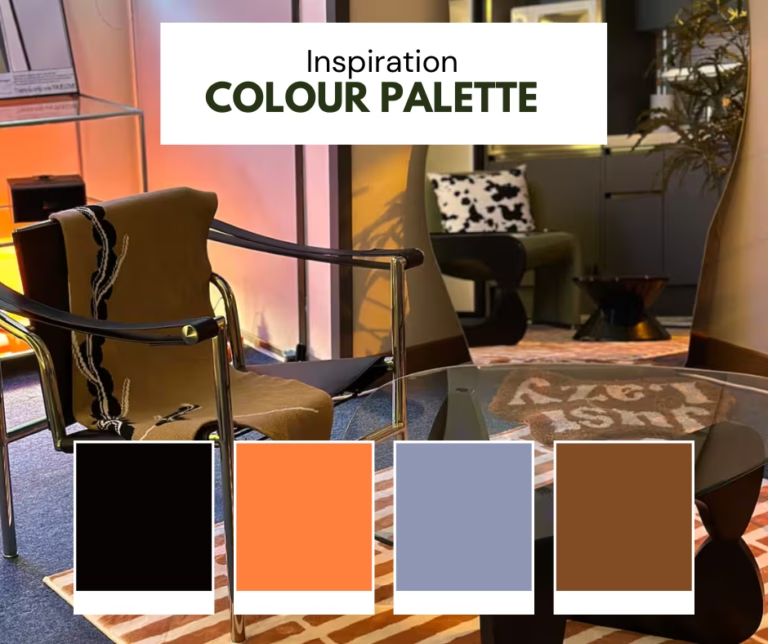
My Airbnb color journey taught me to work with what you have. My landlords had painted everything a depressing “gutter shade” grey, forcing me to get creative. I discovered that beige, pink, and grey created warmth despite the challenging base color. Guests consistently responded well to orange, brown, black, and grey combinations. The lesson: consistency matters more than perfection—choose a cohesive theme and stick with it.
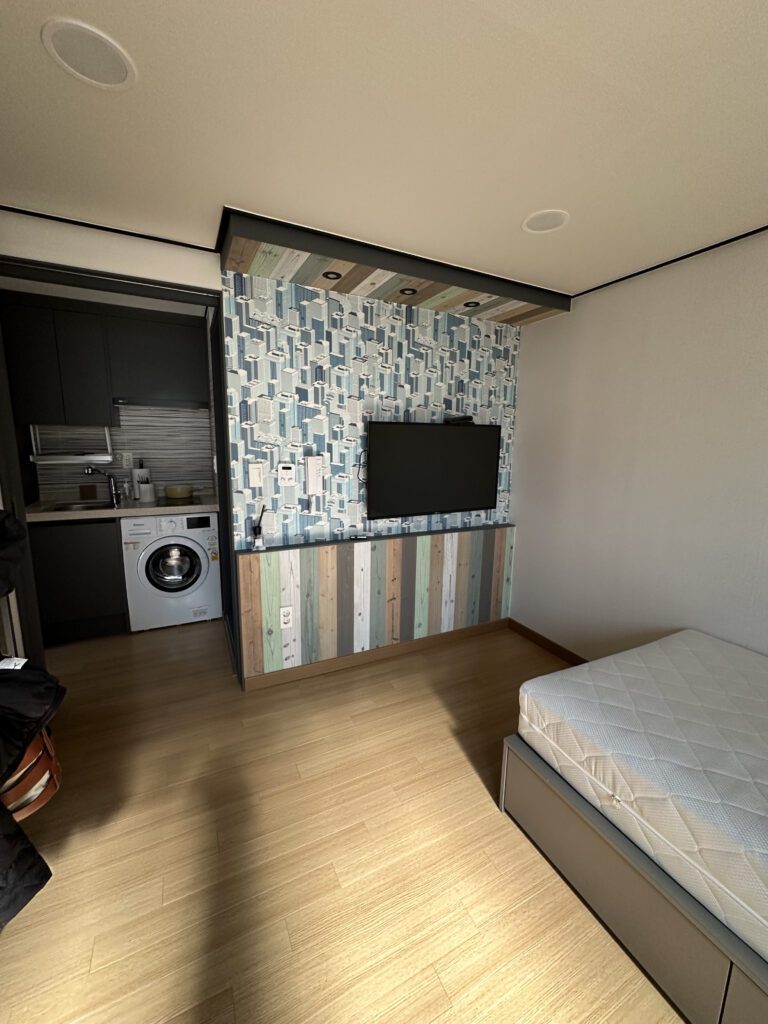
The wallpaper was definitely part of the visual overwhelm
Budget-Friendly Color Implementation
You don’t need to repaint everything. Add healing colors through throw pillows, blankets, artwork, or even houseplants. Soft textiles in calming blues or energizing oranges can transform a space’s emotional impact without permanent changes—perfect for renters managing both mental health and housing limitations.
Room-by-Room Healing Design
Bedroom as Sanctuary
Your bedroom should signal to your nervous system that it’s safe to rest. In small spaces where your bedroom might also serve other functions, creating clear boundaries between sleep and activity becomes even more critical for mental health.
Sleep Hygiene Through Intentional Design
Focus on environmental factors that support natural sleep cycles: blackout curtains to control light, cool temperatures, and minimal visual distractions. Your brain needs clear signals that this space is for rest, not stimulation. Keep technology out of the bedroom entirely—blue light interferes with melatonin production, and the mental stimulation works against the calm you’re trying to create.
Strategic Mirror Placement and Quality Bedding
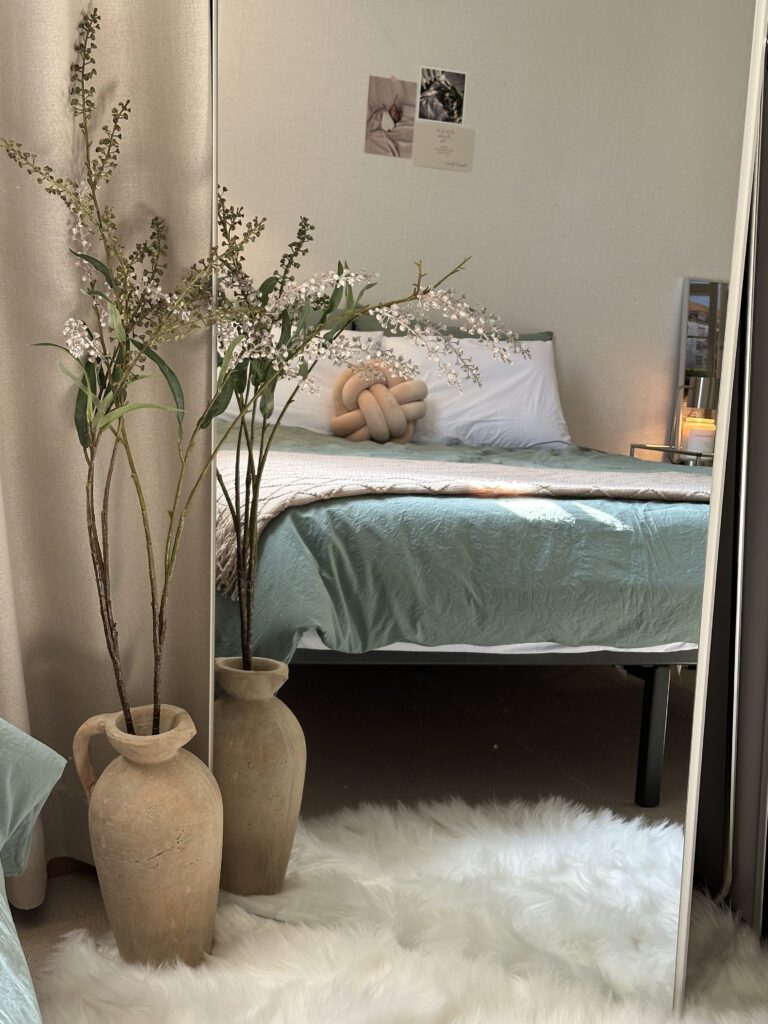
Through my Airbnb hosting, I discovered that a tall floor mirror like the Arched Full Length Floor Mirror ($42) facing the bed serves multiple purposes beyond vanity. I use this exact model in my properties—it’s durable enough to survive guest use, the stand is stable, and the classic gold frame matches delicate decor style. For university guests, it created Instagram-worthy photo opportunities that they consistently mentioned in reviews. The mirrors also reflected key design elements, making small bedrooms feel more spacious and interesting.
Where most hosts go wrong: They add mirrors as afterthoughts or place them where they don’t photograph well. I position mine specifically to appear in my listing photos—it’s a visual anchor that makes the room memorable.
Quality bedding directly impacts sleep quality and mental health. I learned to avoid white sheets—they felt clinical and created anxiety about keeping them pristine.
What I use: Soft, colored duvet covers ($69) in heathered tan or sage green. The muted tones feel calming and hide minor imperfections, reducing the anxiety of “keeping it perfect.”
The Pillow Setup That Actually Helps
I keep 4 pillows on my bed for different needs:
2 Sealy fluffy pillows ($30) at the back for sitting up when I need to read, journal, or just rest without fully lying down
2 flat sleeping pillows ($48) that actually support comfortable sleep. I know they are not for ‘adults’, but trust me, they are comfortable in perfect sizes.
This simple setup means I can use my bed as both a resting spot during the day (crucial when managing depressive episodes) and a comfortable sleeping space at night—without constantly rearranging pillows.
The mental health connection: When your bed serves multiple purposes in a small space, having the right support for both sitting and sleeping removes one small daily friction point. It sounds minor, but these small comforts compound into better rest and fewer daily irritations when you’re already managing mental health challenges.
Creating Calm in Tight Quarters
Use soft, warm lighting instead of overhead fixtures. Add plush textures through throws and pillows. Even in the smallest bedroom, designate one corner as your “sanctuary spot” with meaningful objects that bring comfort—this creates a psychological retreat within your retreat.
Living Space as Therapy Room
In small apartments, your living room must serve multiple functions while maintaining its therapeutic potential. The key is creating flexible zones that can transition between daily activities and emotional regulation without requiring major reorganization.
Dual-Purpose Meditation and Living Areas
Designate one quiet corner specifically for meditation or emotional regulation. This doesn’t require dedicated furniture—a comfortable floor cushion that can double as extra seating works perfectly. Use soft, adjustable lighting that can dim for meditation and brighten for regular activities. Keep this zone consistently decluttered to signal to your brain that it’s a calm space, even when the rest of the room is in active use.
Furniture That Supports Emotional Regulation
Choose seating that offers sensory comfort: textured fabrics that feel grounding, chairs with gentle rocking motion for self-soothing, or enclosed seating that provides security during overwhelming moments. Multi-functional pieces work best—an ottoman that stores meditation supplies but serves as a coffee table daily.
My Temple-Inspired Minimal Approach
Living at the temple taught me that “beauty of nothingness” isn’t about deprivation—it’s about focus.
Two Different Minimalism Strategies:
Temple-Inspired (My Personal Space): My rule: if I haven’t used something in six months, it goes. I cycle beautiful objects intentionally—buy, enjoy, release.
Strategic Minimalism (My Airbnbs): Completely different approach. Every object in my Airbnb spaces is permanent and intentional because:
- Guests need consistency (same photos they booked)
- Swapping decor = maintenance nightmare
- “Less” doesn’t mean “boring”—it means curated
I choose 3-5 statement pieces per room (a beautiful vintage mirror, one striking piece of art, distinctive bedding) and never change them. This creates brand consistency across properties and makes restocking simple.
The philosophy: Residents can Marie Kondo monthly. Hosts need systems that work when you’re managing 5 properties and someone just spilled wine on the rug.
This keeps my space feeling fresh and minimal without sacrificing personality. When you have fewer objects competing for attention, you can actually appreciate the beauty of what remains.
Kitchen for Nourishment
Your kitchen’s organization directly impacts your relationship with food and cooking, especially when managing mental health challenges. A chaotic kitchen can turn meal preparation into a source of stress rather than nourishment, while thoughtful design supports both physical and emotional wellbeing.
Kitchen: When You Live There vs. When You Host
My Personal Kitchen (BPD Management): Organization directly impacts my mental health. Clear countertops reduce overwhelm. Visible healthy options prevent depressive eating patterns.
Airbnb Kitchens (Guest Reality): Most guests don’t cook elaborate meals—they reheat takeout or make coffee.
What actually matters:
- Quality coffee setup (gets mentioned in reviews constantly)
- Clear counter space for setting down bags/phones
- Obvious trash location (guests shouldn’t have to hunt)
- Minimal utensils, perfectly clean (not “everything you could ever need”)
I stock: 1 pot, 1 pan, basic utensils, Salt & Pepper. Olive oil, and 2 to 4 place settings. Guests who want full cooking stay elsewhere. This keeps maintenance simple and photos clean.
Use vertical storage to maximize space, install pull-out drawers for easy access, and create designated zones for coffee, cooking prep, and cleaning. When healthy options are visible and accessible, you’re more likely to choose nourishing foods over convenience options.
Creating Mindful Eating Spaces
Even in tiny kitchens, establish a dedicated eating area that signals intentionality rather than just function. This might be a small table or even a cleared counter with proper seating. Eliminate digital distractions during meals—no phones or screens. The goal is creating space for mindful consumption where you can actually taste your food and recognize hunger and fullness cues.
Practical Impact Examples
Simple changes create compound benefits: magnetic knife strips free counter space, organized pantries make healthy ingredients visible, proper lighting makes cooking enjoyable rather than stressful, and easy-to-clean surfaces reduce maintenance anxiety. These modifications transform your kitchen from a source of daily stress into a space that actively supports your physical and mental nourishment.
Bathroom as Spa Retreat
Your bathroom can become your most effective self-care sanctuary with strategic design choices that transform daily routines into moments of restoration. Even the smallest bathrooms can support mental wellness through intentional spa-like elements.
Creating Spa Elements on a Budget
Start with decluttering and maximizing vertical storage to create visual calm. Use light, neutral colors to make the space feel larger and more serene. Add natural elements like a Bamboo Bathroom Organizer Tray ($25) that sits on every Airbnb bathroom counter to corral toiletries while adding natural texture. Soft lighting from Aku Tonpa Flameless LED Candles ($19 for set) creates instant ambiance that signals relaxation to your nervous system—these are safer than real candles for guest spaces and last for years.
Elevating the Daily Experience
Invest in one quality upgrade that transforms your routine—a rain showerhead can make daily showers feel luxurious rather than functional. Fluffy towels and a soft bath mat add sensory comfort that supports emotional regulation. Create designated spots for self-care items to make the ritual feel intentional rather than hurried.
Strategic Aromatherapy Integration
The intersection of BPD and fragrance obsession taught me something important: when you love deeply, quality matters. While you can start with budget-friendly essential oils and candles, developing what I call a “privileged nose” can become an expensive rabbit hole. If you’re willing to invest, something like Eden-roc by Maison Christian Dior captures the essence of luxurious summer vacation—though be warned that once you experience high-end aromatherapy, returning to basic products becomes difficult. Start small and build gradually to avoid overwhelming your budget or senses.
Budget-Friendly Implementation
Creating a therapeutic small space doesn’t require a designer budget—it requires strategic thinking and understanding that the less you spend, the more effort you’ll need to invest. Having transformed five Airbnb properties and my own healing spaces, I’ve learned that time and creativity can substitute for money when you’re willing to put in the work.
Priority Order for Changes (Biggest Impact First)
Immediate High-Impact Changes (Week 1) – $0-20
Start with changes that cost nothing but deliver immediate psychological relief. Decluttering and organizing creates visual calm and a sense of control without spending a cent. Replace harsh overhead bulbs with 8-Pack Warm LED Bulbs ($12)—a minimal investment that instantly changes your space’s emotional temperature. Create your panic-safe corner using items you already own: a pillow, blanket, and lamp repositioned intentionally.
Your $50 Quick-Win Shopping List:
- Moonshine Sansevieria Plant – $16
- 8-Pack Warm LED Bulbs – $12
- 2 Throw Pillow Covers in plaid – $20 ($10 each)
- Command Picture Hanging Strips – $9
Total: $50 with strategic impact
The psychology behind this approach matters deeply when managing mental health. You need quick wins to build momentum and prove that change is possible. If you try to renovate everything simultaneously, you risk financial overwhelm, decision fatigue, and abandoning the project when you most need environmental support.
Medium-Impact Changes (Weeks 2-4) – $50-150
Your $200 Complete Transformation Shopping List:
- Mushroom Floorlamp – $63
- 3 House Plants Bundle (Peperomias are not easy to kill!) – $29
- Briarwood Oatmeal 100% Cotton Sheet Set – $46
- Sealy Pillows 2-Pack – $30
- Woven Wicker Storage Basket Set of 3 – $59
Total: $227 for complete sensory transformation
This sweet spot allows for several impactful purchases while maintaining budget consciousness. You can afford to make mistakes at this level without breaking your budget entirely.
Longer-Term Investments (Months 2-3) – $200-500
Your $500 Strategic Splurge Shopping List:
- PINPLUS Storage Ottoman – $55
- Midcentury Coffee Table – $99
- Full-Length Floor Mirror – $42
- Premium Memory Foam Mattress Topper – $259
- Blackout Thermal Curtains – $45
Plus all items from $200 list above
Total: $500 + smaller items = complete transformation
Here you can invest in one or two larger furniture pieces, quality bedding, multiple organizational solutions, and a cohesive color scheme through various textiles. This budget allows for both immediate comfort and long-term functionality.
Three Budget Levels: Complete Makeover Strategies
$50 Transformation: Maximum Effort, Minimum Cash
This level requires the most creativity and physical work. Focus on decluttering, rearranging existing furniture, and strategic thrift store finds. Create wall art by framing pages from old books or magazines. Use mason jars as planters and storage. Paint accent walls with sample paint pots. Install peel-and-stick wallpaper as a rental-friendly backdrop. The key is seeing potential in what others overlook and being willing to spend weekends hunting for diamonds in the rough.
$200 Transformation: Balanced Approach
This sweet spot allows for several impactful purchases while maintaining budget consciousness. Invest in one quality lighting piece, add 3-4 plants, purchase organizational systems, and buy a few new textiles. Include some thrift store furniture pieces that need minor refinishing. You can afford to make mistakes at this level without breaking your budget entirely.
$500 Transformation: Strategic Splurging
Here you can invest in one or two larger furniture pieces, quality bedding, multiple organizational solutions, and a cohesive color scheme through various textiles. You might splurge on blackout curtains, a comfortable reading chair, or professional-level storage systems. This budget allows for both immediate comfort and long-term functionality.
DIY Solutions That Actually Work
The most effective DIY projects solve multiple problems simultaneously. Create gallery walls using thrifted frames to add personality while covering wall imperfections. Upgrade cabinet hardware for an instant refresh that costs under $30. Install open shelving made from wooden planks to display both functional and beautiful items. Repurpose mason jars with rope wrapping for custom storage that matches your aesthetic.
The key to successful DIY is choosing projects that match your skill level and available time. A poorly executed complex project creates more stress than the original problem.
Thrift Store Strategy for Therapeutic Design
Develop an eye for potential rather than perfection. Look for solid wood furniture that can be refinished, natural materials like ceramic and glass that age well, and classic proportions that won’t look dated. Bring measurements and your color palette to avoid impulse purchases that don’t fit your space or vision.
Visit regularly since inventory changes constantly. The best therapeutic design pieces—vintage mirrors, quality baskets, unique planters—often come from patience and persistence rather than single shopping trips.
Real-World Budget Reality
My complete Airbnb studio transformations cost $2,000-3,000, but that included buying everything from scratch—furniture, bedding, cookware, decorative elements. I started with nothing but a laundry machine, gas burner, microwave, and those infamous “gutter shade” cabinets.
What That $2,000-3,000 Actually Bought:
Furniture (~$800-1,000):
– Mid-century coffee table: $150-200 (Facebook Marketplace)
– Simple bed frame: $200-300
– 2 folding stools: $40 each
– Minimal shelving: $100
Bedding & Textiles (~$400-500):
– Quality mattress: $300 (worth every penny—guests mention comfort)
– Duvet + 2 sets of colored sheets: $150
– Throw pillows: $50
Photography-Critical Items (~$400-600):
– Statement mirror: $100-150
– Lighting (not overhead): $150
– Art/wall decor: $100-200
– Distinctive rug: $100
Kitchen Basics (~$200-300):
– Quality coffee maker: $50 (gets mentioned in reviews)
– Minimal cookware set: $120
– Basic dishes: $100
The items guests NEVER mentioned: fancy storage, hidden compartments, “maximized space” solutions.
The items that drove bookings: the mirror, the bedding comfort, the coffee setup, the overall “vibe” in photos.
Your situation likely requires less since you probably own basic furniture and personal items. The goal isn’t Instagram perfection—it’s creating an environment that actively supports your mental health and daily functioning within your actual financial constraints.
Common Mistakes & How to Avoid Them
Creating therapeutic small spaces requires avoiding design pitfalls that can sabotage your mental health goals. Through my own mistakes and observing hundreds of small space transformations, I’ve identified the most common errors that turn healing environments into sources of stress.
Over-Decorating Small Spaces
The biggest mistake is treating small spaces like larger rooms and filling every surface with decorative items. When you’re managing mental health challenges, visual clutter creates cognitive overload that exhausts your already limited mental energy. Instead of adding multiple small accessories, choose one or two statement pieces that create impact without chaos. A single large mirror or piece of artwork commands attention better than scattered trinkets.
Stick to a cohesive color palette rather than introducing multiple competing patterns and hues. Group decorative items in odd numbers (three or five pieces) rather than lining them up like soldiers. Remember: in small spaces, negative space is as important as filled space for mental clarity.
Ignoring Lighting’s Psychological Impact
Poor lighting might be the most underestimated factor in mental wellness. Harsh overhead fluorescents trigger anxiety, while inadequate lighting can worsen depression symptoms. The solution isn’t just adding more light—it’s layering different types of lighting for different emotional needs.
You literally cannot have too many lamps in a small space. Warm, adjustable lighting signals safety to your nervous system, while cool, bright lighting supports focus and energy when needed. Invest in dimmers and multiple light sources rather than relying on a single overhead fixture that forces one mood for all activities.
Storage That Creates More Stress
Ironically, some storage solutions add stress rather than reducing it. Complicated organizational systems that require constant maintenance become another source of failure and frustration. Hidden storage that makes items inaccessible creates anxiety about finding things when you need them.
Choose storage that serves your actual habits, not your aspirational ones. If you never fold clothes perfectly, don’t invest in systems that require perfect folding. Open storage often works better than closed storage for people with ADHD or depression because visual reminders support executive function.
Mistake I Made (So You Don’t Have to)
Mistake 1: Copying Pinterest Instead of Testing
Early on, I installed floating shelves in every property because every design blog said “vertical storage!”
Reality: Guests knocked things off them constantly. I removed 80% and replaced with wall-mounted art. Booking rate improved.
Mistake 2: “Maximizing” Space Like Residents Live There
I bought under-bed storage bins, over-door organizers, all the Apartment Therapy recommendations.
Reality: Guests never used them. They just made cleaning harder. Now I keep ONE empty drawer and ONE closet rod. That’s it.
Mistake 3: White Sheets (The “Hotel” Trap) Thought white sheets looked “clean and professional.”
Reality: They felt clinical and created anxiety about staining. Switched to soft grays and beige—comfort mentions in reviews tripled.
Mistake 4: Not Measuring the Rolling Mirror
Not measuring before purchasing was my costliest error. I ordered a large rolling mirror for one studio apartment without considering the space constraints. Unlike my other properties, this unit was significantly smaller, and the four-legged mirror with rollers had nowhere to fit. I couldn’t even position it against a wall effectively. The result? Selling it at half price and learning to always measure twice, order once.
Lesson: Test with guests first, then scale. What works in your personal healing space might actually hurt your booking rate.
Prevention Strategy
Before making any purchase, take photos of your space and measurements of available areas. Create a simple floor plan sketch and test furniture placement using cardboard boxes or painter’s tape. This prevents expensive mistakes and ensures every addition supports rather than hinders your therapeutic goals.
Measuring Success
The true test of therapeutic design isn’t how your space looks in photos—it’s how it makes you feel and function daily. Success in small space healing design shows up in subtle but measurable ways that compound over time to improve your overall wellbeing.
Signs Your Environment Is Supporting Mental Health
Notice if you feel calmer when entering your space, even during difficult days. A supportive environment should reduce stress rather than add to it, helping you feel more grounded during emotional storms. You might find yourself sleeping better, feeling less overwhelmed by daily tasks, or naturally gravitating toward your space for comfort rather than wanting to escape it.
Pay attention to your nervous system responses. Do your shoulders relax when you walk through your door? Can you breathe more deeply in your newly organized bedroom? These physical indicators often appear before conscious recognition of improvement.
Guest Feedback as Validation
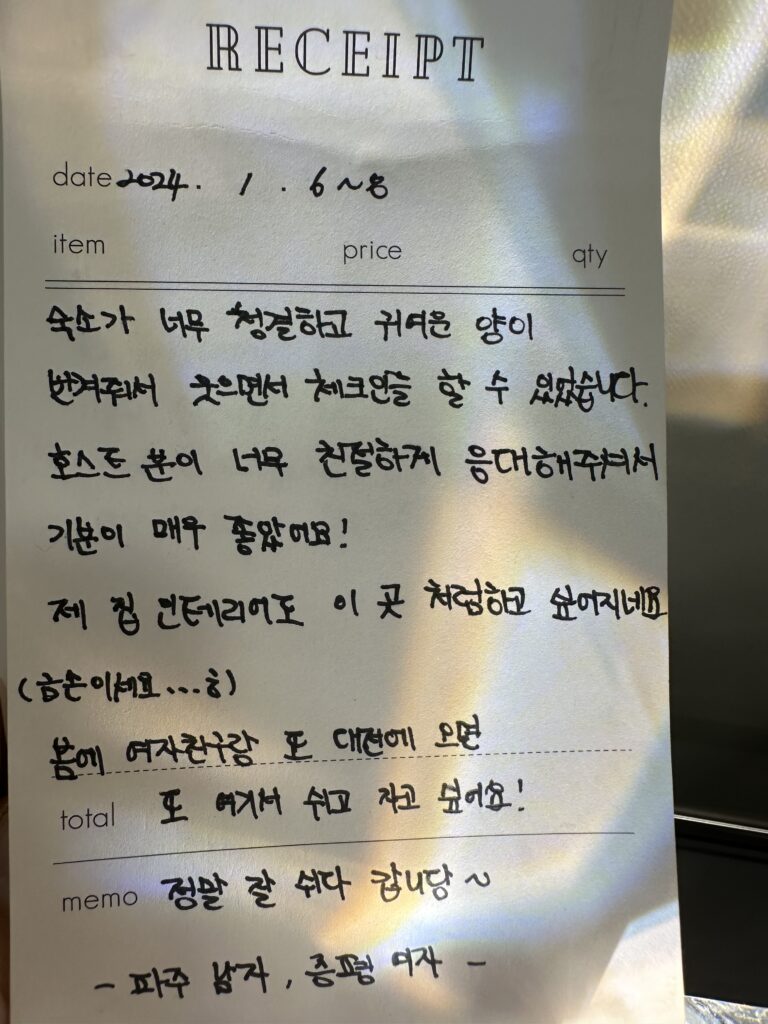
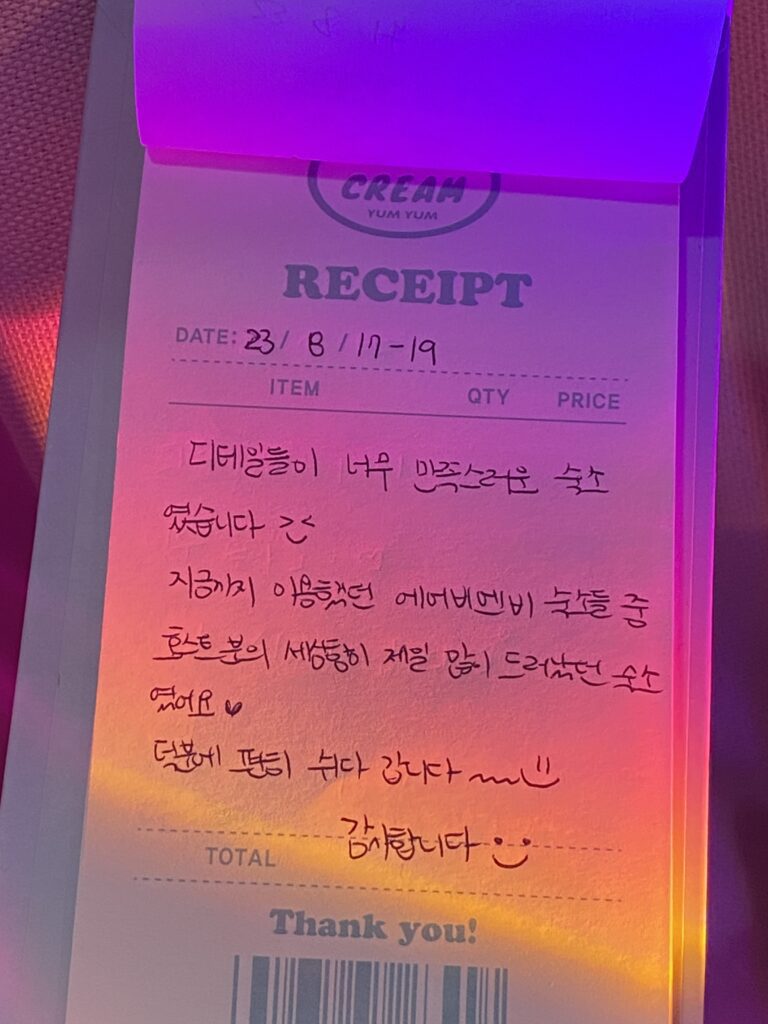
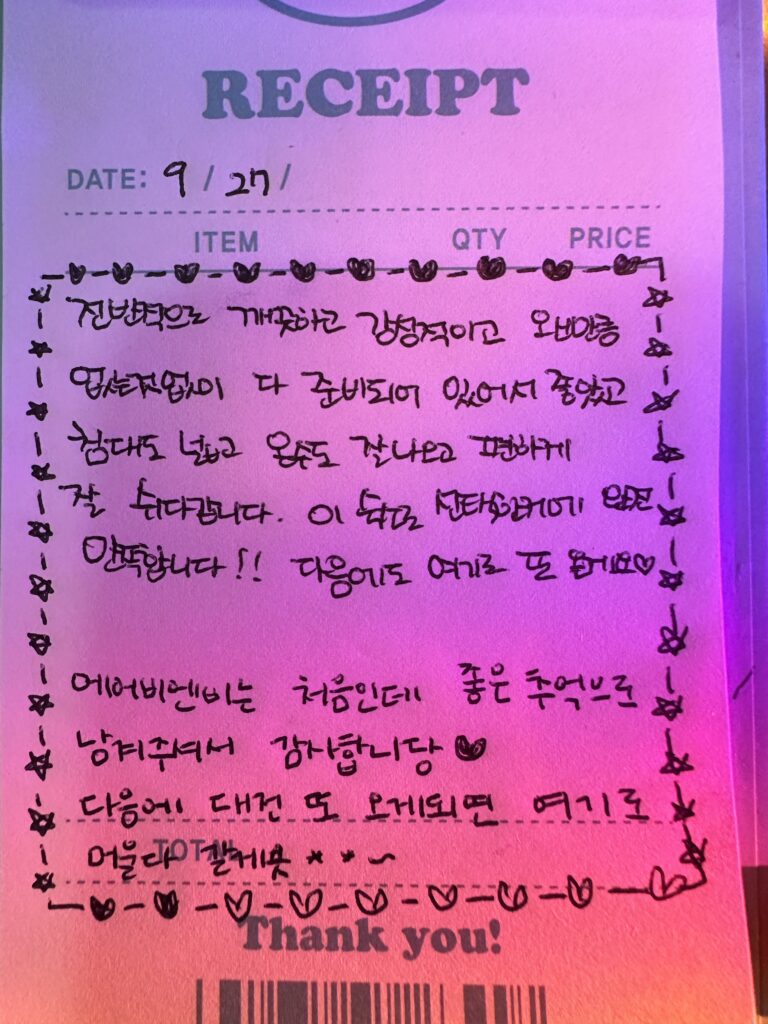
My Airbnb reviews provided unexpected validation of therapeutic design principles. Guests consistently mentioned specific elements:
“Overall, it was clean and emotional, and everything was prepared without lacking anything. The bed was spacious, hot water worked well, and I rested comfortably. I’m completely satisfied with choosing this accommodation!”
“The details were so satisfying. Among all the Airbnb accommodations I’ve used, this was where the host’s attention to detail showed the most. Thanks to that, I rested comfortably.”
One guest even said:
“I want to decorate my home like this place too (you have golden hands…) I want to rest and sleep here again with my girlfriend in spring!”
When strangers notice and comment on the emotional impact of your design choices, you know you’ve created something genuinely supportive.
Personal Wellness Indicators
Track functional improvements: Are you cooking more often in your organized kitchen? Using your meditation corner regularly? Sleeping through the night in your optimized bedroom? These behavioral changes indicate your space is actively supporting healthier habits.
Monitor your mental energy levels. Well-designed therapeutic spaces should reduce daily decision fatigue and create more mental bandwidth for the things that matter most to your healing journey.
Remember: the goal isn’t perfection—it’s progress toward an environment that consistently supports rather than sabotages your mental health.
Ready to Transform Your Space?
Download your free checklist and get weekly design tips!
Conclusion & Call to Action
Creating healing spaces in small apartments isn’t about having unlimited budgets or perfect conditions—it’s about understanding how your environment can either support or sabotage your mental health, then making strategic choices within your constraints.
The five pillars we’ve covered provide your foundation: establishing Safety & Boundaries through panic-safe corners and visual privacy; implementing Sensory Regulation via lighting, sound, and texture; optimizing Functional Flow to reduce daily friction; incorporating Biophilic Elements that connect you to nature; and using Intentional Color & Mood to support emotional regulation. Each pillar works together to create spaces that actively support your wellbeing rather than merely looking attractive.
Remember: you don’t need to transform everything overnight. Start with one pillar that resonates most strongly with your current needs. Maybe that’s creating your panic-safe corner this weekend, or simply switching to warm-toned light bulbs. Small changes compound into significant improvements when they’re aligned with how your nervous system actually functions.
Your space should work for your real life, not against it. Whether you’re managing BPD like me, dealing with other mental health challenges, or simply wanting a home that feels like a sanctuary, these principles adapt to your specific needs and limitations.
Ready to begin your own small space transformation? Download my “Small Space Sanctuary Starter Kit” below—it includes room layout templates, a color psychology cheat sheet, and my exact shopping list for creating therapeutic spaces on any budget.
Coming up on the blog, I’ll be diving deeper into each pillar with specific tutorials, sharing my ongoing temple experiences, and documenting real transformations from readers who implement these strategies. Your healing space journey starts with a single intentional choice—make yours today.




3 Comments
Comments are closed.