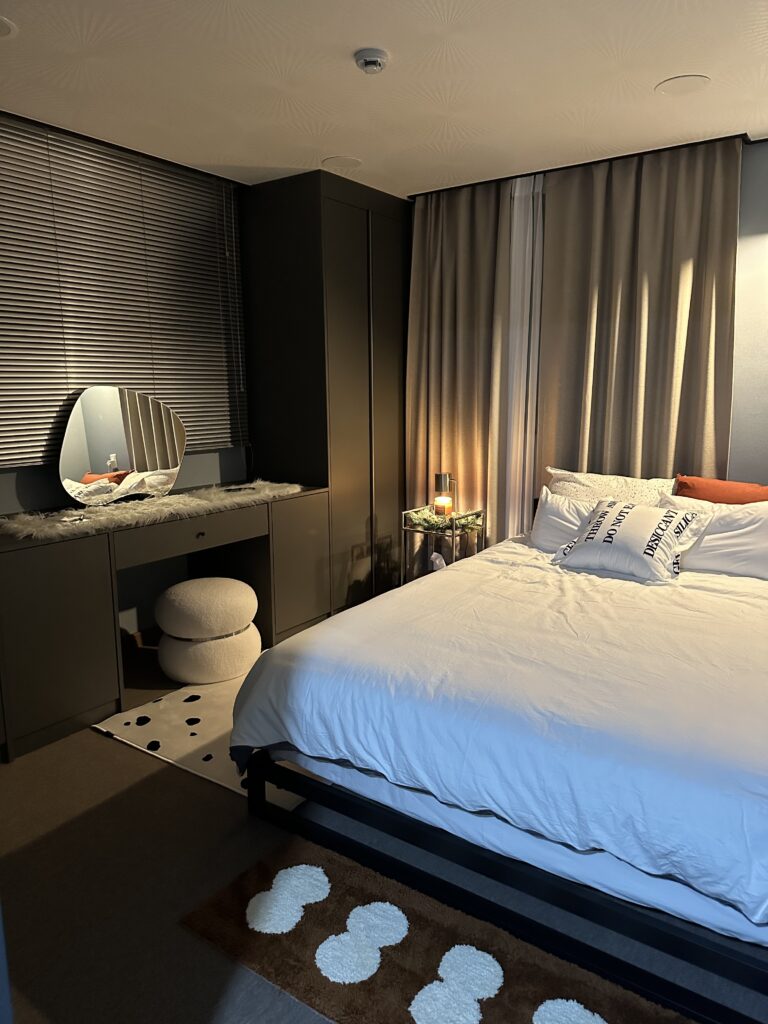
Low-Maintenance Bedroom Plants That Survive Neglect (Mental Health Edition)

A rainstorm killed my entire plant collection.
Not gradually, through disease or pests. All at once, in one night, because I impulsively moved every single plant outside during what I thought would be “refreshing rain.”
I woke up to carnage. Over a hundred kinds of plants—mostly small, tiny pots—reduced to overturned soil, waterlogged roots, and leaves beaten off stems. A hundred different species, gone in six hours.
This is what happens when you’re managing mental health challenges and think you’re a plant person. The enthusiasm comes in intense waves—three weeks of obsessive collecting and watering. Then radio silence for a month, whilst depression makes getting out of bed feel impossible, let alone remembering which tiny succulent needs misting.
However, I learned a valuable lesson from that expensive disaster: I don’t need to give up on plants entirely. I just need to choose plants that can survive someone like me.
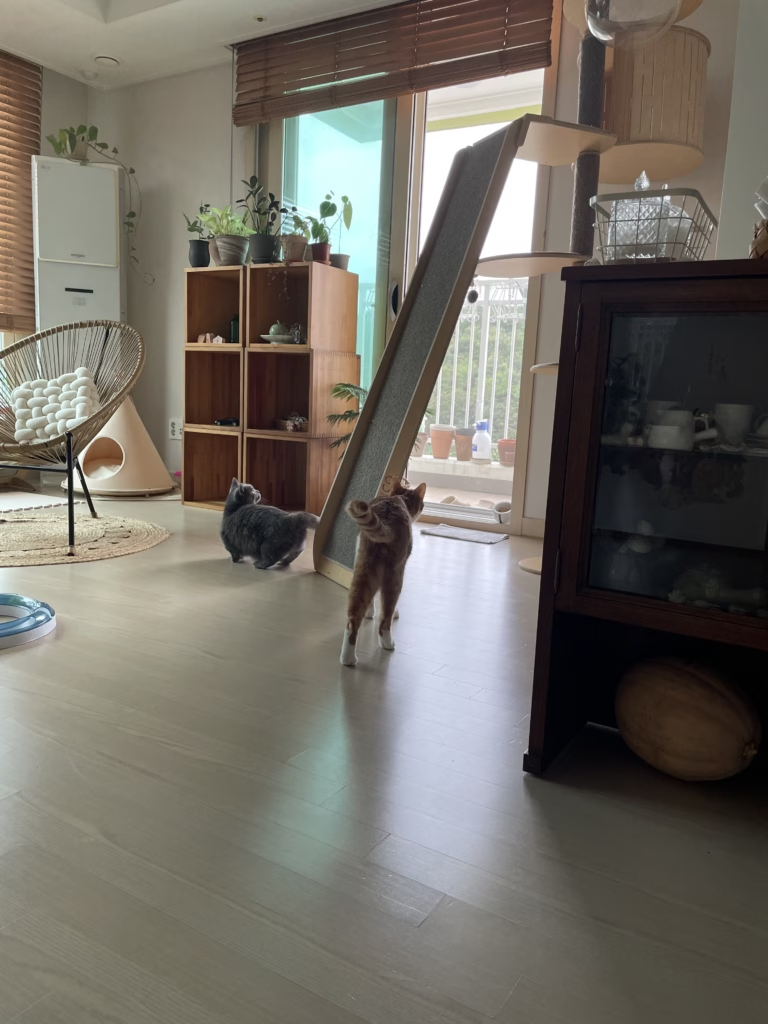
The most important lesson: Those hundred tiny pots were the problem. Small plants die faster. They need more frequent attention. They’re deceptively high-maintenance disguised as “easier commitment.”
If you’ve killed multiple plants through neglect, overwatering, or just forgetting they exist during difficult periods—this guide is for you.
Why Plants Matter for Mental Health
Biophilic design—incorporating natural elements into your living space—has been shown to reduce cortisol levels and improve emotional regulation. Research shows that even minimal nature exposure improves mental health outcomes.
For people managing anxiety, depression, PTSD, or other challenges, plants provide:
- Visual reminder that you’re part of something larger
- Sensory grounding (texture, smell)
- Low-stakes caregiving that doesn’t judge failure
- Proof that things survive neglect and still grow
You don’t need to become a plant expert. You just need one or two that handle inconsistent care.
The Counterintuitive Size Rule: Buy Bigger Plants
Common mistake: Buying small plants, thinking they’ll be easier.
The reality: Small plants die faster because they have less root mass and water reserves. If you tend to kill plants, buy big plants. If you struggle with routine, possibly buy trees.
Why bigger plants survive mental health struggles:
- Larger roots store more water – Can go 2-3 weeks without watering vs. tiny pots needing water every few days
- More leaf mass = resilience – Photosynthesis continues even if some leaves die
- Better drainage – Harder to accidentally overwater in bigger pots
- Can survive crisis periods – Depression lasting weeks? Big plant waits.
My expensive lesson: I killed over 100 plants in tiny pots. The few larger plants I had survived the rainstorm because their root systems could handle chaos.
My recommendation: Buy the biggest plant you can afford and fit. A $25-30 larger plant outlives three $10 small ones you’ll kill within months.
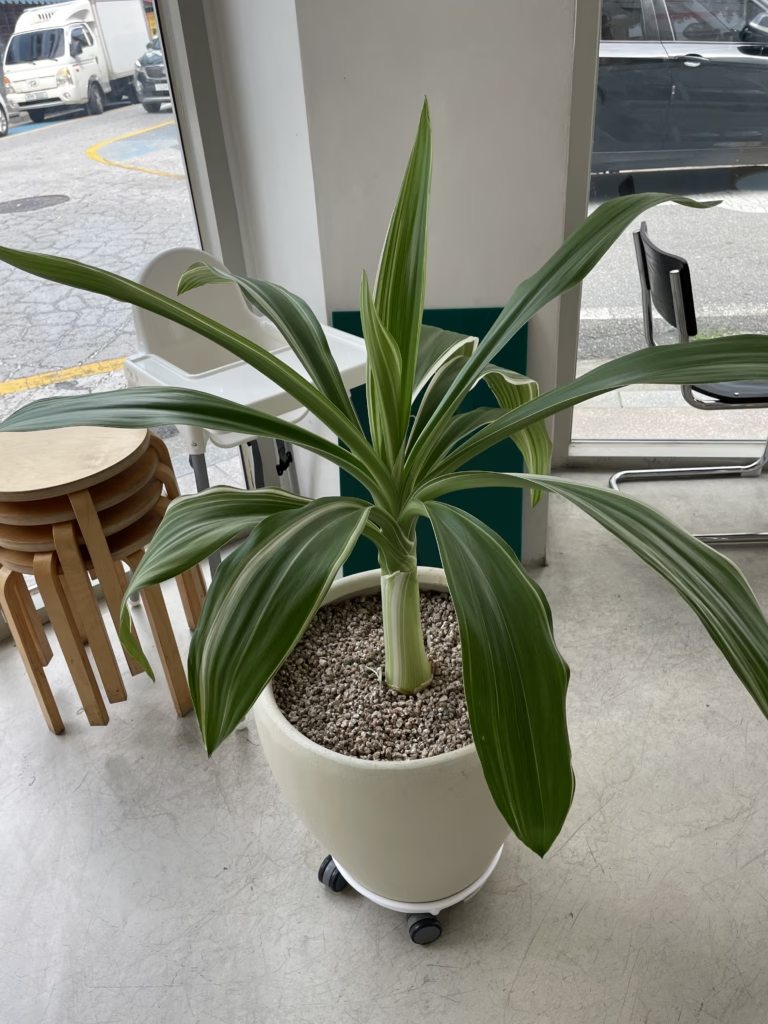
4 Plants That Actually Survive Inconsistent Care
Choose plants based on your lifestyle, not Instagram aesthetics.
1. Moonshine Sansevieria (White-ish Green Snake Plant)
Why this works: Nearly indestructible. I’ve had the same one for 3 years with minimal care. White-ish green colour doesn’t disturb pastel aesthetics. Survives 2-3 weeks without water.
Cost: $16 small / $30 large
My experience: I’ve forgotten to water it for six weeks during the worst periods. It just kept existing.
Buy the bigger version—it’ll survive twice as long when you’re struggling with routines.
2. Black ZZ Plant
Why this beats regular ZZ: Dramatic dark foliage, same indestructible qualities. Stores water in roots (designed for drought). Tolerates low light. Dark colour hides dust.
Cost: $22
Care reality: Water once a month maximum. Possibly less. It genuinely wants you to ignore it.
3. Satin Pothos
Why this over regular pothos: More interesting satin leaf texture. Handles various light conditions. Improves as it grows longer (dramatic trailing). Still tolerates neglect.
Cost: $24
Placement: Hang from the ceiling or a high shelf. Trailing vines add vertical nature without cluttering surfaces.
4. Air Plant Variety Pack
Why these work: Require no soil. Can hang anywhere. Simple weekly routine: soak 20-30 minutes, drain, display. All twelve get identical treatment.
Cost: $19 for a pack of 12
Mental health bonus: One phone reminder handles all plants. The routine becomes a simple weekly grounding ritual.
Staghorn Fern as Wall Art
After killing 100+ plants, I discovered staghorn ferns (Platycerium). Game-changer.
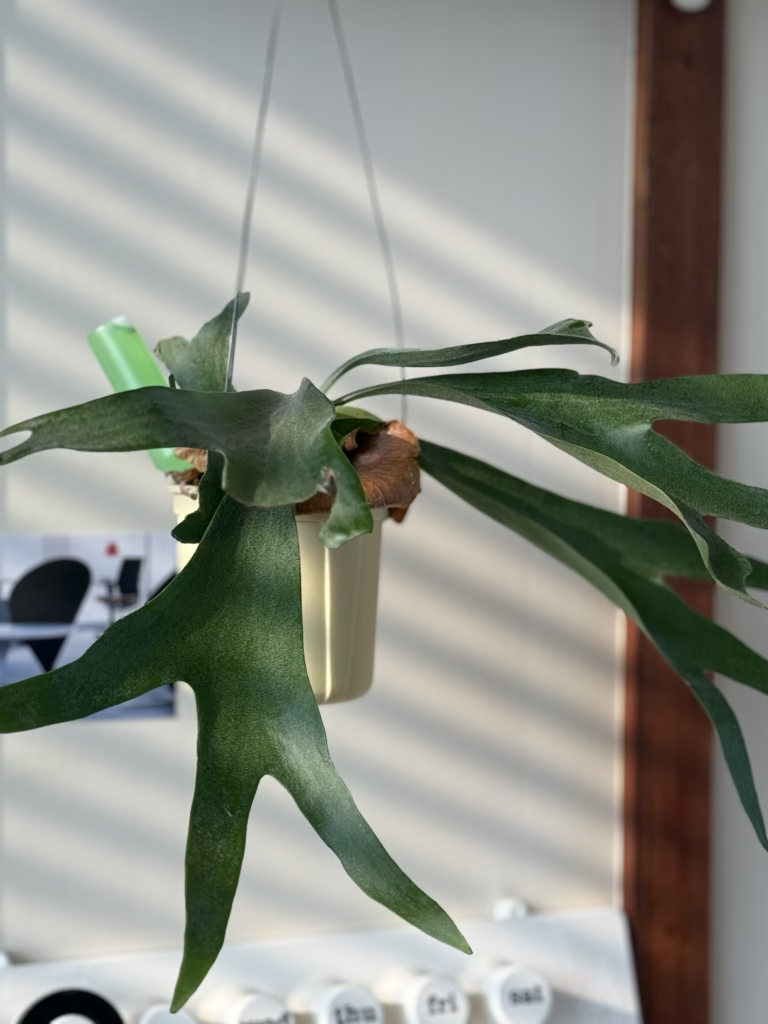
Why these are perfect:
- No pot required (mounts on wood/cork)
- Hangs like art (no floor space)
- Tolerates inconsistent watering
- Genuinely unique aesthetic
Cost: $30-60 total (fern + mounting supplies)
Care routine: Run the entire mounted fern under the shower once a week, let it drain. That’s it.
Why this works for mental health: One consistent weekly task. Physical and memorable. Impossible to mess up.
Fresh Flowers: The Depression-Fighting Routine
My temple situation: I gather retired flowers from Buddha altar offerings (free).
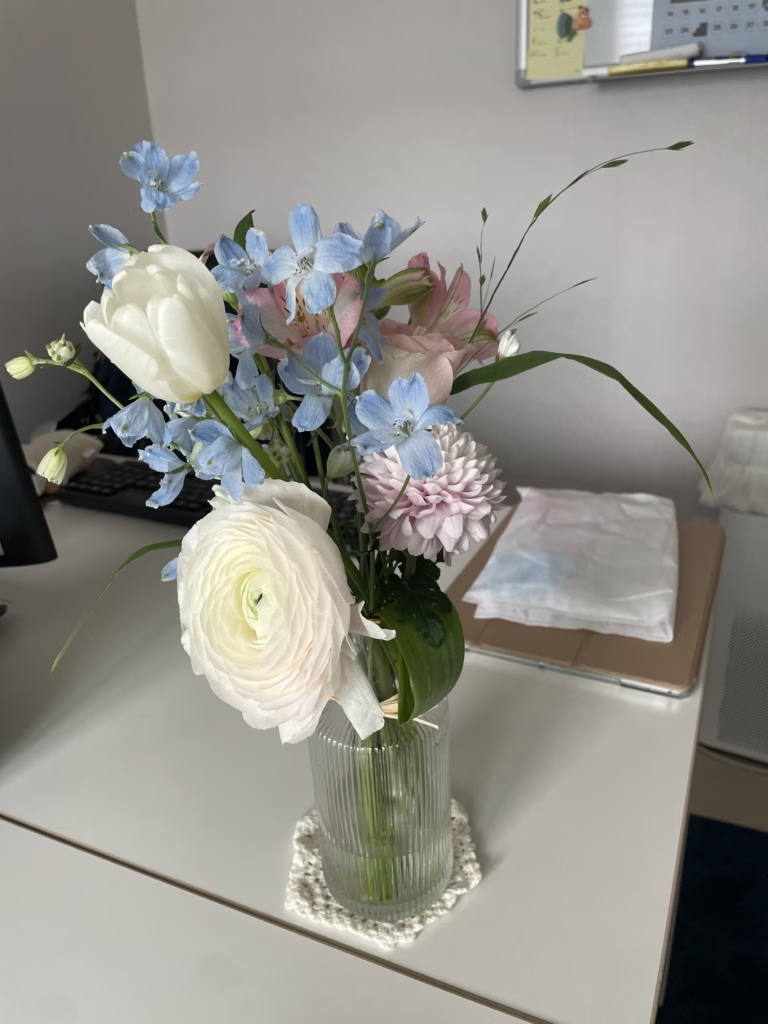
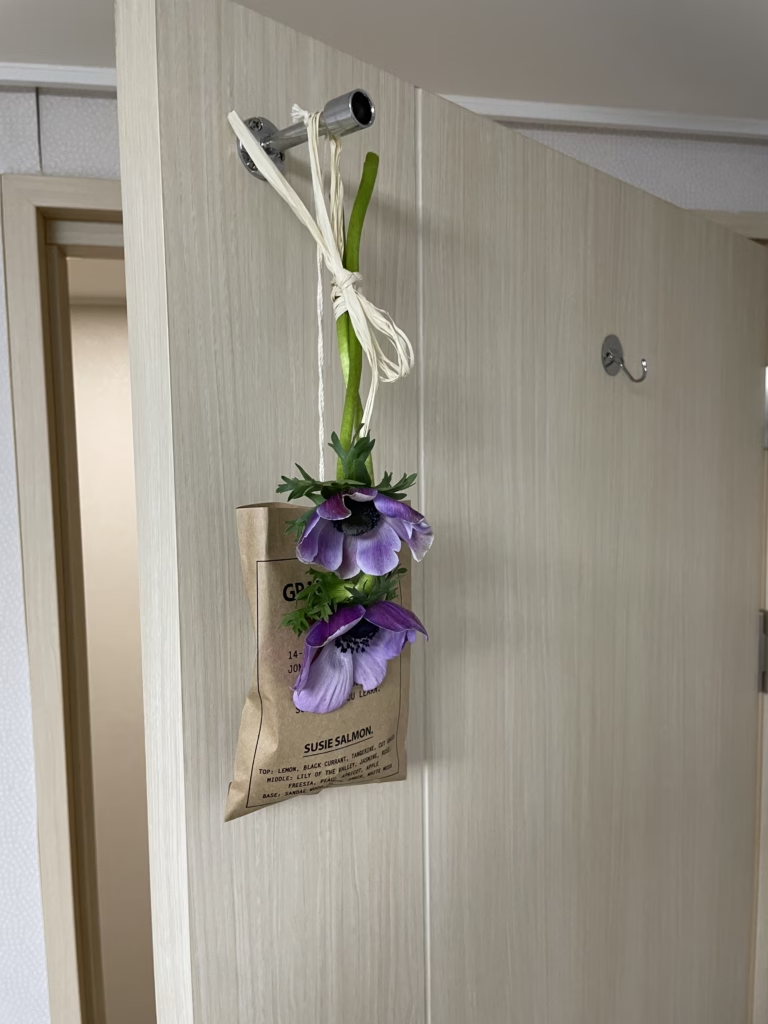
My recommendation for you: Buy a small bouquet every week for $5.
Why this matters:
Routine helps. Especially during depression, anxiety, or PTSD recovery.
Going to buy flowers forces you to:
- Leave your flat once a week (minimum activity)
- Walk to shop (physical movement, fresh air)
- Make a small decision (choosing flowers)
- Interact with another human
- Care for something that dies quickly (low-stakes practice)
Maybe this $5 weekly habit forces you to walk the neighbourhood. Maybe in week three, you’ll notice a café. Maybe in week five, you’ll look up instead of staring at the pavement.
The flowers matter less than the ritual of getting them.
Think of it as therapy that costs $20 per month and smells nice.
Common Mistakes That Kill Plants
Mistake #1: Buying Small Plants
Over 100 tiny pots died. Larger plants survived. Always buy the bigger version.
Mistake #2: Over-Complicating Care
Different schedules for different plants = guaranteed failure when executive function is compromised. Choose plants with identical needs. Water everything the same day.
Mistake #3: Feeling Guilty When Plants Die
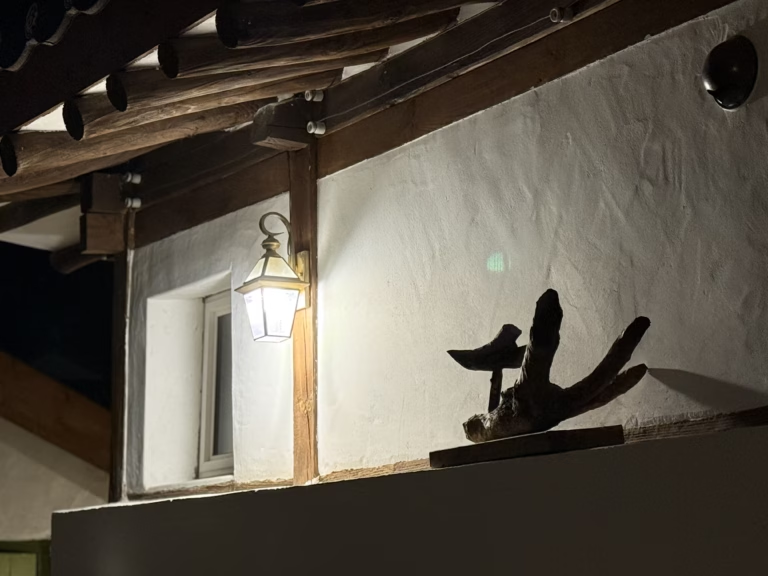
They’re plants. Not a reflection of your worth or mental health severity. Try again with hardier species. Or use natural materials like driftwood that never die.
Two Budget Approaches
$0 Version: Natural Elements Without Plants
- Find branches or driftwood outside (free)
- Collect river rocks or stones (free)
- Use natural materials you own (wood, cotton)
Result: Natural elements, zero care burden
$60 Version: Complete Easy-Care Setup
- One large mounted staghorn fern ($40)
- One big Moonshine Sansevieria or Black ZZ ($20-25)
Total: $60-65
Result: Layered natural elements requiring only a weekly shower for the staghorn and a monthly watering for the floor plant
Action Plan for Today
If you have 15 minutes:
- Order one large Moonshine Sansevieria or Black ZZ Plant online
- Set a weekly plant care reminder in phone
If you have this weekend:
- Visit the garden centre, choose one big, nearly indestructible plant
- Plan a $5 weekly flower routine starting next week
The goal isn’t becoming a plant expert or having an Instagram bedroom. It’s adding one or two natural elements that support your nervous system without overwhelming your capacity during difficult periods.
Start with one big plant instead of five small ones. Forgive yourself when things die. Try again with harder, larger options that handle the reality of managing mental health.
Your bedroom needs one living thing that survives your chaos and reminds you that growth is possible even during complete neglect.
And maybe fresh flowers every week that force you outside—even when mental health makes that feel impossible.
Ready to complete your calm bedroom?
→ Start here: 5 Small Bedroom Design Changes for Better Sleep
→ Essential: Bedroom Lighting Guide
→ Critical: How to Create a Panic-Safe Corner
→ Next: Bedroom Scents for Anxiety: Budget to Luxury Aromatherapy