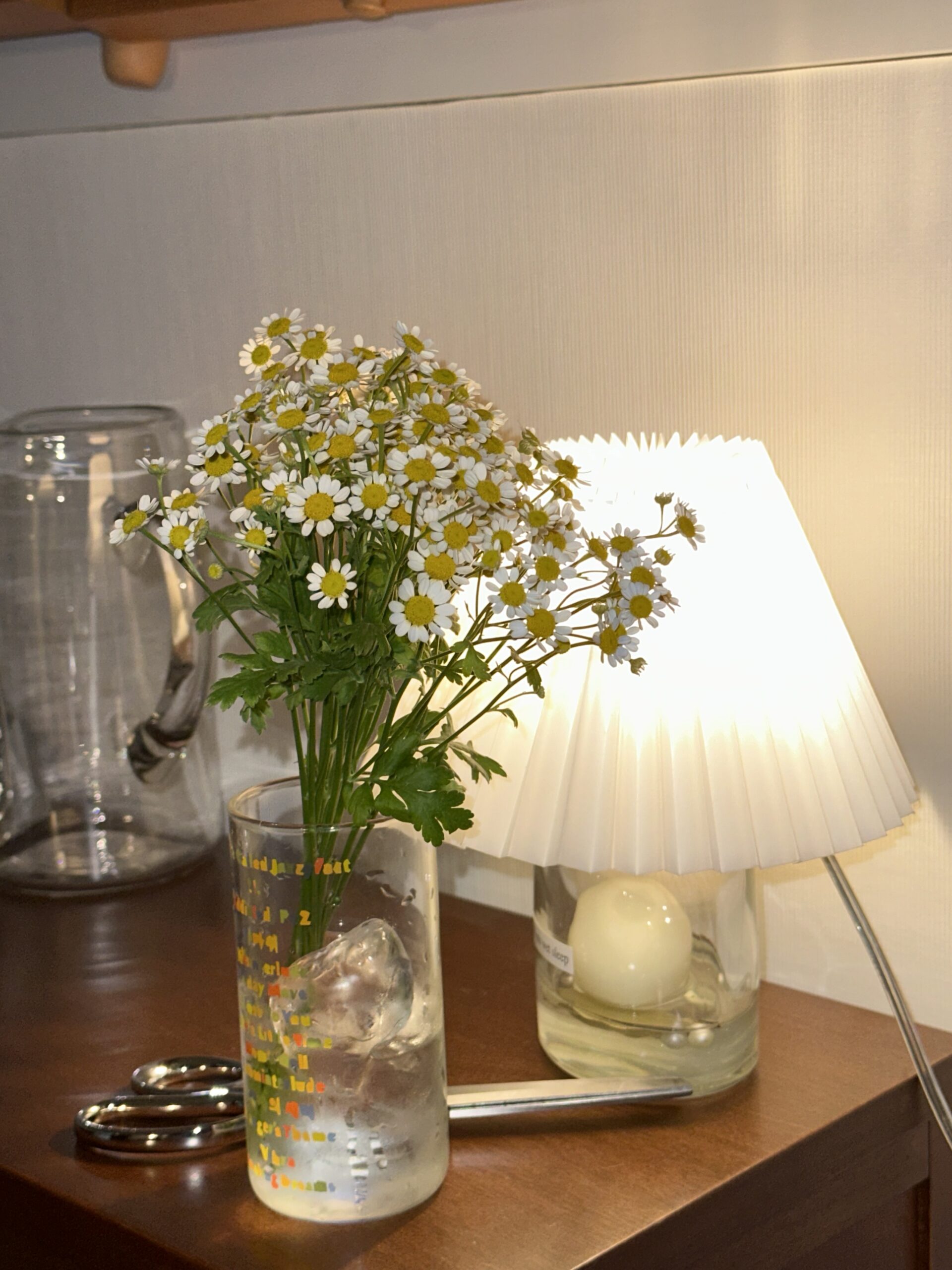
Bedroom Lighting for Better Sleep: Why I Stopped Using Overhead Lights

I haven’t turned on my overhead light in three months.
Not because the bulb is broken. I stopped using it because I finally understood what every therapist was trying to tell me: harsh overhead lighting was actively sabotaging my sleep and triggering anxiety spikes I thought were “just part of having BPD.”
Here’s what they didn’t tell me: the fix costs less than $50 and takes 15 minutes.
After testing different lighting configurations across five Airbnb properties, I discovered that lighting is the single highest-impact change you can make for better sleep. Guests mentioned “perfect lighting” in reviews more than any other design element.
If you’re reading this at night under harsh white light wondering why you can’t relax, this post is for you.
The Science: Why Overhead Lighting Sabotages Sleep
Your brain interprets bright overhead lighting as midday sun—which signals “stay alert, potential danger, keep moving.”
Harsh overhead lights activate your sympathetic nervous system (fight-or-flight response), flooding your body with cortisol and adrenaline. Research in the Journal of Clinical Sleep Medicine confirms that bright, cool-toned light in the evening suppresses melatonin production by up to 50%. Melatonin signals your brain “it’s time to sleep.” Suppress it, and you’re fighting your own biology.
For people managing BPD, ADHD, or anxiety, this effect intensifies. Our nervous systems are already hypersensitive to environmental stimuli. Overhead lighting adds unnecessary stress that makes emotional regulation harder.
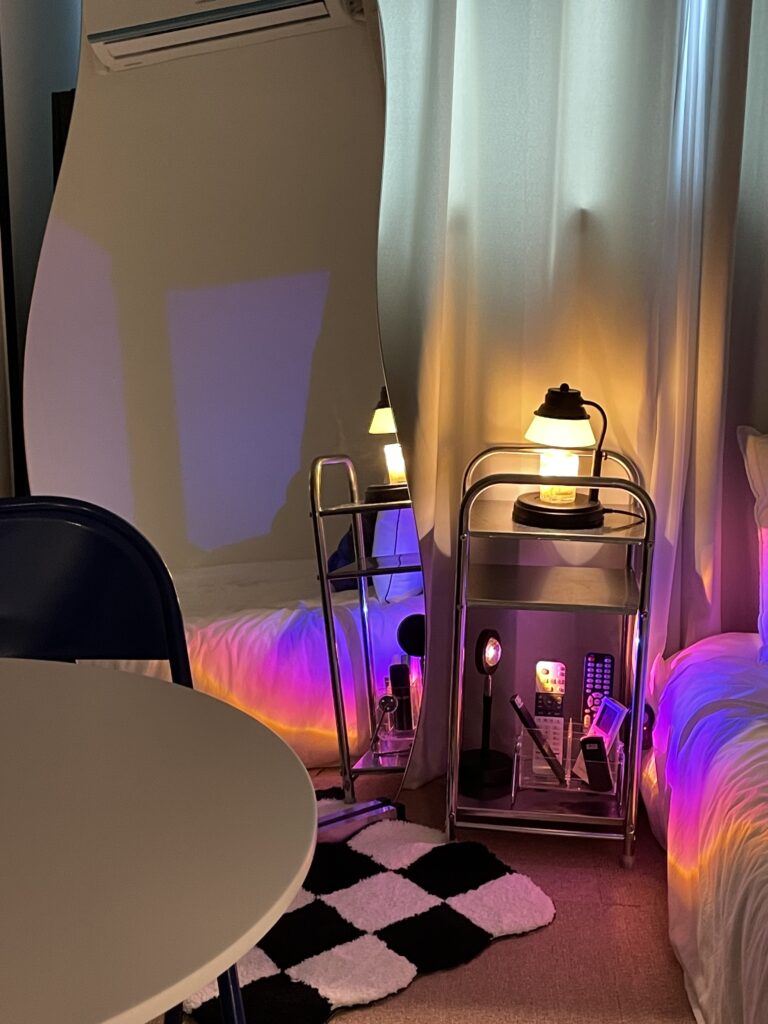
Within three days of switching to warm lamps:
- I fell asleep 30-40 minutes faster
- Middle-of-night anxiety spirals reduced by 60%
- Morning mood improved significantly
But here’s what convinced me this wasn’t placebo: Guest reviews across five properties consistently mentioned lighting first:
“The lighting was perfect—felt so cosy and relaxing after long travel days.”
“Best sleep I’ve had in months. The warm lighting helped me actually wind down.”
These were strangers paying money. They noticed the lighting before anything else.
Understanding Light Colour Temperature (This Actually Matters)
Colour temperature is measured in Kelvin (K), and it directly affects your brain chemistry:
2700K-3000K: Warm White (what you want)
- Mimics candlelight and sunset
- Promotes relaxation and melatonin production
- Reduces cortisol (stress hormone)
- Best for bedrooms and living spaces
3500K-4100K: Neutral White (avoid in bedrooms)
- Office lighting, “natural daylight” bulbs
- Fine for task lighting but not relaxation
5000K-6500K: Cool White/Daylight (actively harmful for sleep)
- Mimics midday sun
- Suppresses melatonin production
- Use ONLY where you need high alertness (garages, workshops)
My father’s mistake: He installed 6500K “daylight” bulbs throughout his flat because they were brighter. Then wondered why he couldn’t relax at home and struggled with insomnia. I replaced every bulb with 2700K warm white. His sleep improved within a week.
How to check your current bulbs: Look at the box or bulb base. You’ll see a number followed by “K”. If it says anything above 3500K in your bedroom, that’s your problem.
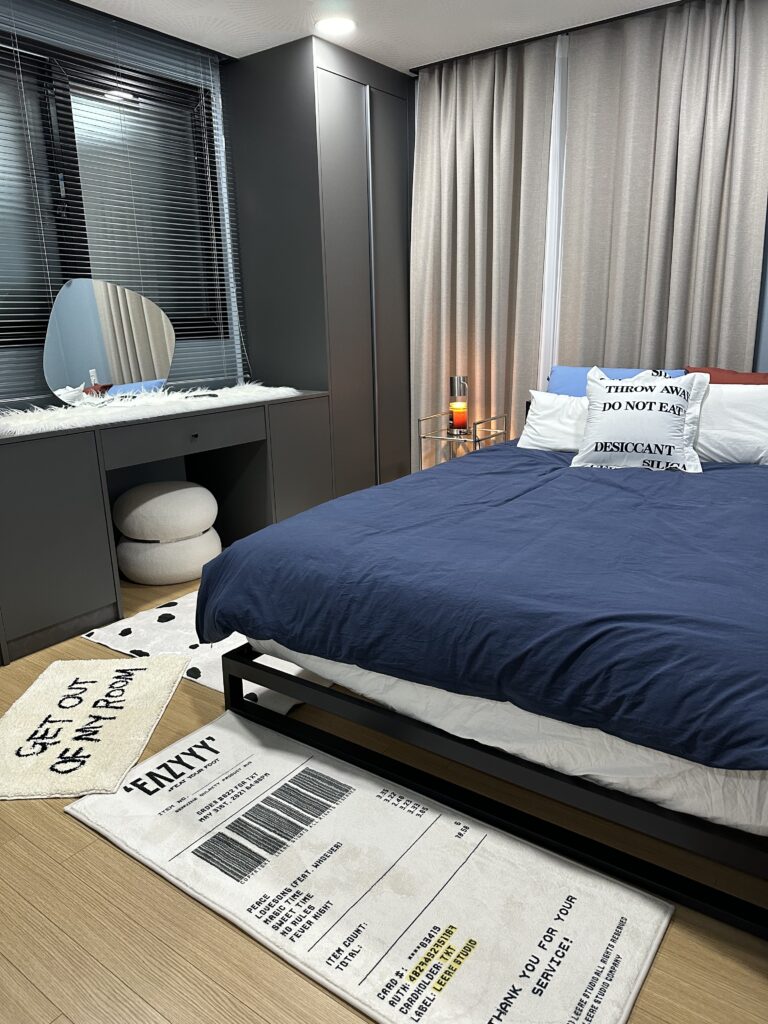
The Three-Lamp Strategy: Why Multiple Sources Matter
The temptation: Replace harsh overhead with one bedside lamp. Job done, right?
Wrong. You need at least three light sources to create layered lighting that adapts to different needs and emotional states.
Lamp #1: Bedside Lamp (Essential)
Purpose: Reading, winding down, middle-of-night grounding
Placement: Within arm’s reach of bed
What to buy: IKEA TÄRNABY table lamp ($13) with dimmable smart bulb ($8). Total: $21.
Why it works: During panic attacks, I can reach for this without getting out of bed. Dimmable feature means just enough light to ground myself without triggering further alertness.
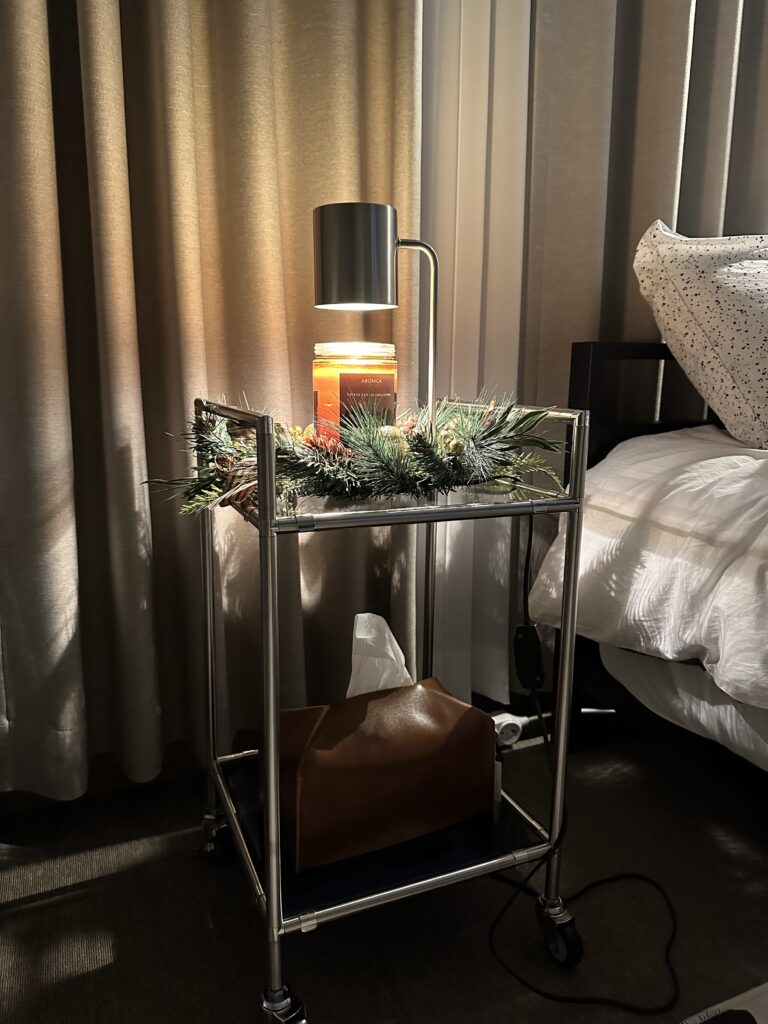
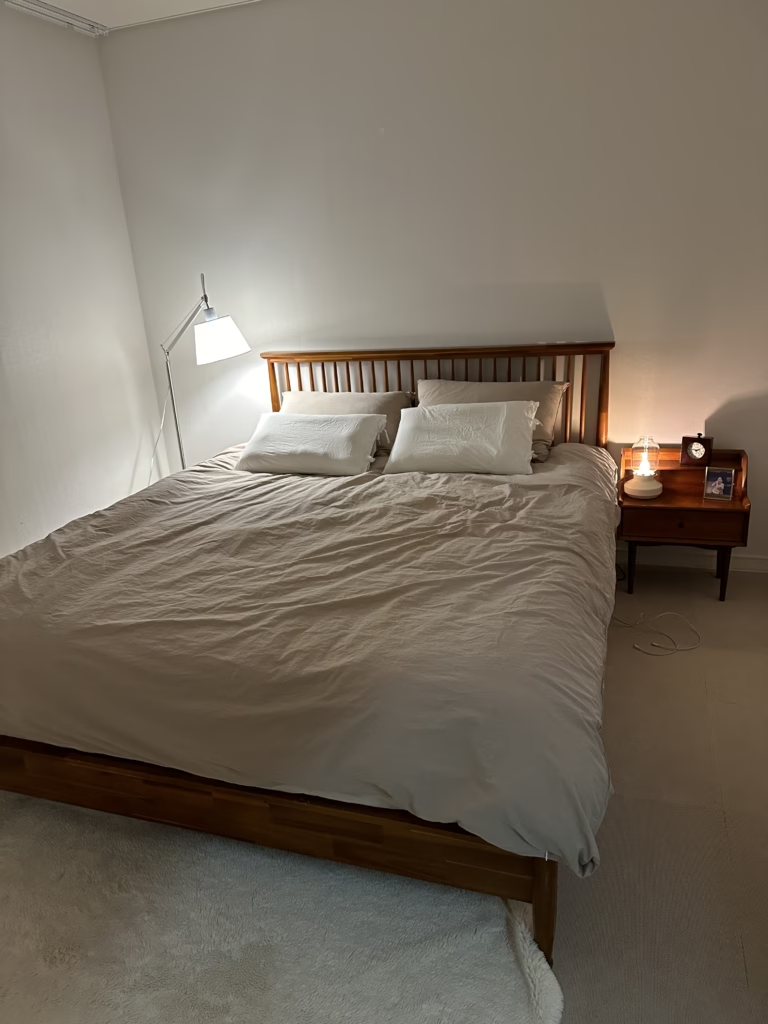
Lamp #2: Corner Floor Lamp (Game-Changer)
Purpose: Ambient lighting that eliminates harsh shadows
Placement: Corner of room, aimed at ceiling or wall for indirect lighting
What to buy: Any basic floor lamp (IKEA HOLMÖ $12, or Argos basics $20-30) with 2700K LED bulb.
Why it works: Creates ambient glow that makes the entire space feel warm and safe without harshness. The difference between a hotel room and a home.
Guest feedback: Multiple guests asked where I bought this specific lamp. One said it “completely changed the vibe of the space.”
Lamp #3: Task Lamp (Practical)
Purpose: Getting ready, desk work without requiring overhead
Placement: Dresser, desk, or shelf
What to buy: Any adjustable desk lamp under $15 with a warm bulb.
Why it works: Handles functional tasks (getting dressed, makeup) without flooding the entire room with alertness-triggering brightness.
If I Were to Invest in My Temple Room: The Ideal Setup
Full transparency: I haven’t actually spent money on lamps for my 100 sq ft temple room. When I moved here, I was thinking I wouldn’t spend much time in it and didn’t want to waste money on something temporary.
But after living here and understanding how much lighting affects my mental health? If I were starting over—or if you’re setting up your own small bedroom—here’s exactly what I’d buy:
Total space: 100 sq ft
Total lamps needed: 3
Overhead light usage: Never
Total investment: £65 including bulbs
The configuration I’d recommend:
- Bedside lamp – Basic IKEA lamp ($13) + dimmable smart bulb ($8) = $21
- Corner floor lamp – Tall basic lamp ($20) + warm LED bulb ($5) = $25
- Task lamp – Small adjustable lamp ($15) + warm bulb ($4) = $19
How I’d use them together:
- Morning (6am-9am): All three on full brightness
- Evening (6pm-9pm): Corner + task lamp full, bedside at 60%
- Wind-down (9pm-11pm): Only bedside lamp at 40%
- Night (11pm+): All off, or bedside at 10% if needed
This layered approach lets you match environment to emotional state. Depressive episode needing energy? All three on. Anxiety spike needing calm? Just bedside lamp dimmed.
What I actually do in my temple room: I make do with whatever lighting exists. It’s not ideal, but it’s temporary. The five Airbnb properties I designed? Those got the full three-lamp treatment because guests were paying for comfort. And their reviews prove it works.
Budget Lighting Transformations
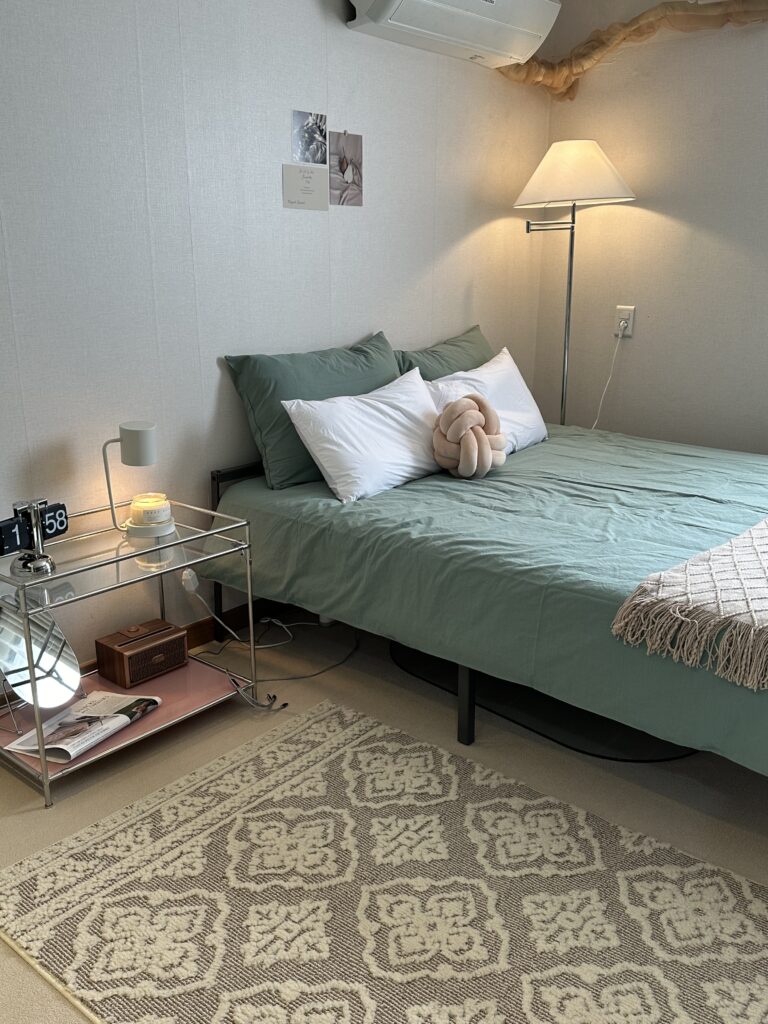
$0 Solution: Optimise What You Have
- Check bulb colour temperature—replace any above 3500K with 2700K warm bulbs ($3-5 each)
- Move lamps strategically (bedside, corner, task area)
- Stop using overhead light entirely
Result: Immediate improvement in sleep quality
$50 Solution: Essential Upgrade
Shopping list:
- 2 basic lamps ($10-15 each) = $30
- 2 warm LED bulbs ($5 each) = $10
- 1 dimmer plug ($8) = $8
Total: $48
Result: 80% of the benefit at less than half the cost
$100 Solution: Optimal Setup
Shopping list:
- 3 quality lamps = $60
- 3 dimmable smart bulbs = $24
- Extension with switches = $12
Total: $96
Smart bulbs allow phone control—game-changer when getting up feels impossible during depressive episodes.
Three Critical Mistakes to Avoid
Mistake #1: Buying “Daylight” Bulbs Because They’re Brighter
I thought brighter = better. Daylight bulbs (5000K-6500K) actively suppress melatonin and trigger alertness when you need calm.
Fix: Always choose 2700K-3000K for bedrooms.
Mistake #2: Only Having One Lamp
One lamp forces you to choose between “harsh and bright” or “too dim to function.” You need multiple sources for layered lighting.
Fix: Minimum three lamps with different brightness levels.
Mistake #3: Keeping Overhead Light “For Emergencies”
If it’s available, you’ll use it. And every time you use it, you’re undermining your nervous system’s ability to wind down.
Fix: Remove the overhead bulb entirely, or tape over the switch. Commit to lamp-only for two weeks. You won’t go back.
How to Implement This Today
Step 1: Assess current situation (5 minutes)
- Count existing lamps
- Check colour temperature of all bulbs
- Note where you need coverage
Step 2: Make immediate changes (10 minutes)
- Replace any bulbs above 3500K with 2700K versions
- Reposition lamps (bedside, corner, task area)
- Stop using overhead light starting tonight
Step 3: Buy what’s missing (this week)
- Order warm bulbs for remaining fixtures
- Purchase 1-2 additional lamps if you only have one
- Consider one smart bulb for most-used lamp
The Change That Started Everything
This lighting transformation wasn’t originally about mental health—it was about Airbnb reviews. But the unintended consequence was that my own sleep and anxiety improved so dramatically that I started researching why.
That research led me to understand how deeply environment affects nervous system regulation. Which led me to test other design changes. Which led me to create therapeutic spaces that support healing instead of undermining it.
But it all started with swapping overhead lighting for warm lamps.
If you only make one change from reading my bedroom design guide, make it this one. Turn off that overhead light. Buy three warm lamps. Give it two weeks.
Your nervous system will thank you. And you might finally understand what “winding down” actually feels like.
Want more bedroom design tips for better sleep?
→ Read the complete guide: 5 Small Bedroom Design Changes for Better Sleep
→ Next: How to Create a Panic-Safe Corner in Your Bedroom
→ See real transformations: My 5 Airbnb Bedroom Makeovers