Bedroom Scents for Anxiety: Budget to Luxury Aromatherapy

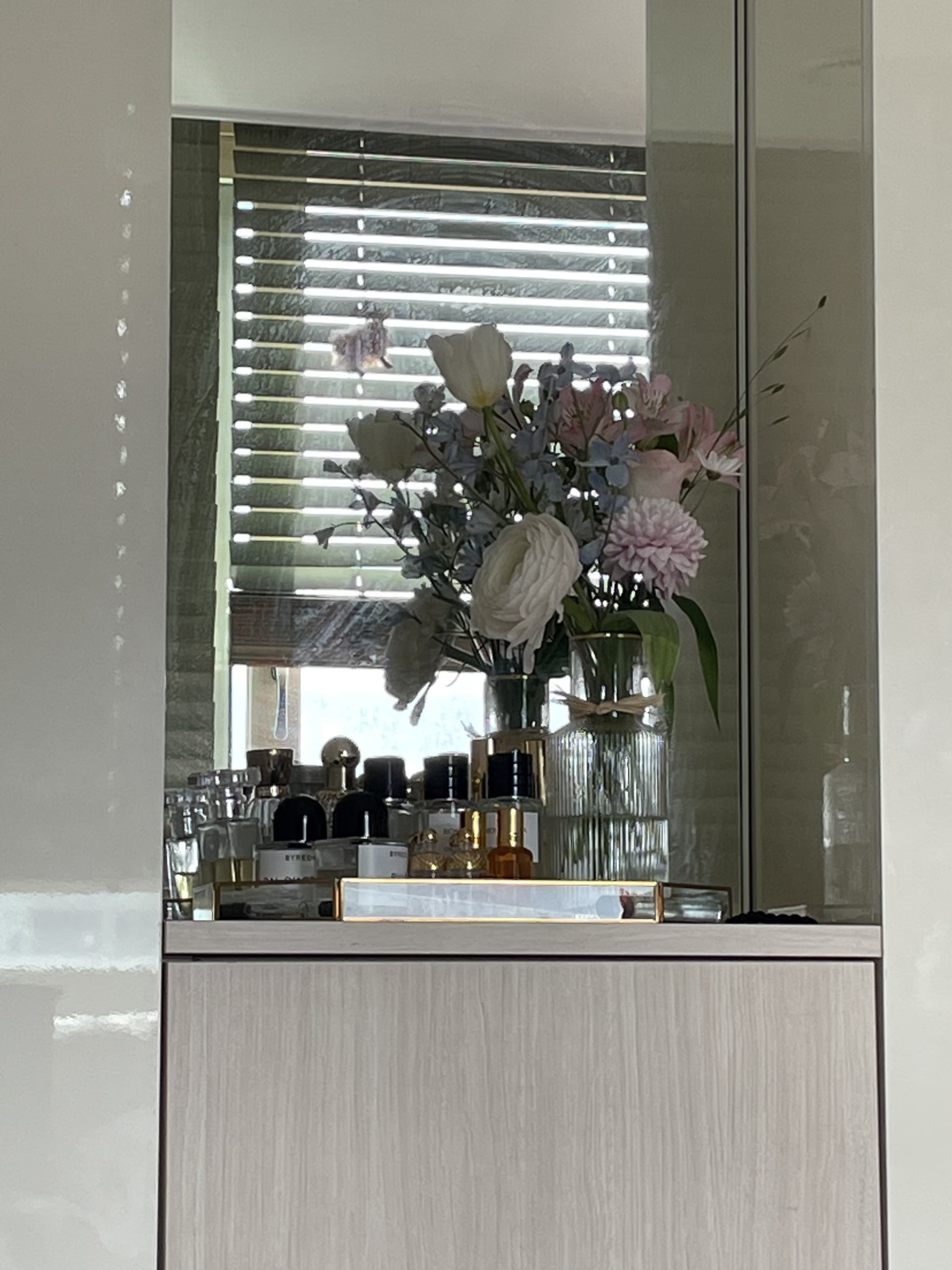
I own a collection of niche perfumes I can’t afford to replace.
Not drugstore fragrances. Niche. The kind where you justify the purchase by calculating cost-per-wear and then never actually wear them because that would mean eventually running out. My nose has been trained on perfumes that cost more than my monthly grocery budget, which means I’ve effectively ruined myself for any scent that doesn’t come in a hand-blown glass bottle.
I wanted to buy the Maison Christian Dior Eden-roc candle. It was far too expensive. I found cheaper options instead. Would I buy it if I could afford it? Fuck yeah. But I’m far too broke to have that expense.
Leave me behind. My nose had already got used to being privileged.
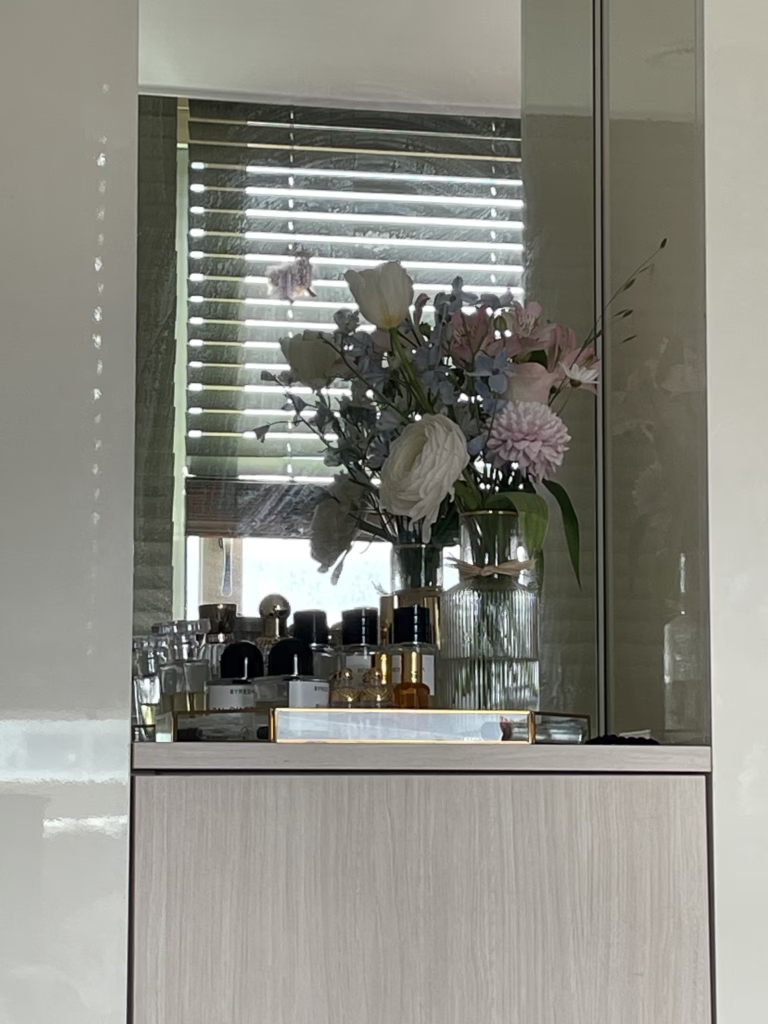
Here’s the problem with developing expensive taste in aromatherapy whilst managing mental health on a limited budget: the $150 perfume genuinely works better for anxiety. But you can’t use it because you can’t afford to replace it. So it sits there, mocking you, whilst you burn $3 incense and pretend it’s just as effective.
It’s not. But the $3 incense is what you can actually afford to use daily, which makes it more effective than the luxury scent you’re rationing like medication.
This is the aromatherapy paradox no one mentions.
Why Scent Works for Anxiety (The Science Bit)
Smell bypasses your cognitive processing and goes directly to the limbic system—the emotional centre of your brain. During panic attacks, your prefrontal cortex (rational thinking) goes offline. But your limbic system stays active. Scent reaches it directly.
Research shows that olfactory stimuli influence mood and stress responses faster than breathing exercises or cognitive reframing. For people managing panic attacks, PTSD, depression, or anxiety disorders, creating positive scent associations with your safe space helps signal to your nervous system, “you’re entering a calming environment.”
The association effect: Use the same scent during emotional regulation in your panic-safe corner consistently, and your brain starts associating that smell with safety. Eventually, just lighting that specific incense begins activating your parasympathetic nervous system before you even consciously register feeling calmer.
You don’t need expensive perfume for this. You just need consistency.
Budget-Friendly Scents That Actually Work (£3-15)
Start here. Develop strong associations with these before discovering what the luxury versions smell like.
Sandalwood Incense (My Daily Choice)
Why this works: Grounding, woody scent that feels ancient and stable. Creates ritual around lighting and watching smoke. The smoke itself provides visual grounding during panic.
Cost: $3-5 for a pack of 20 sticks (lasts 2-3 months)
My experience: I use this daily in my temple room safe corner. The ritual of lighting incense has become so associated with emotional regulation that sometimes just the smell is enough to de-escalate anxiety before it becomes a full panic attack.
The time limit helps too—you know the episode has an endpoint.
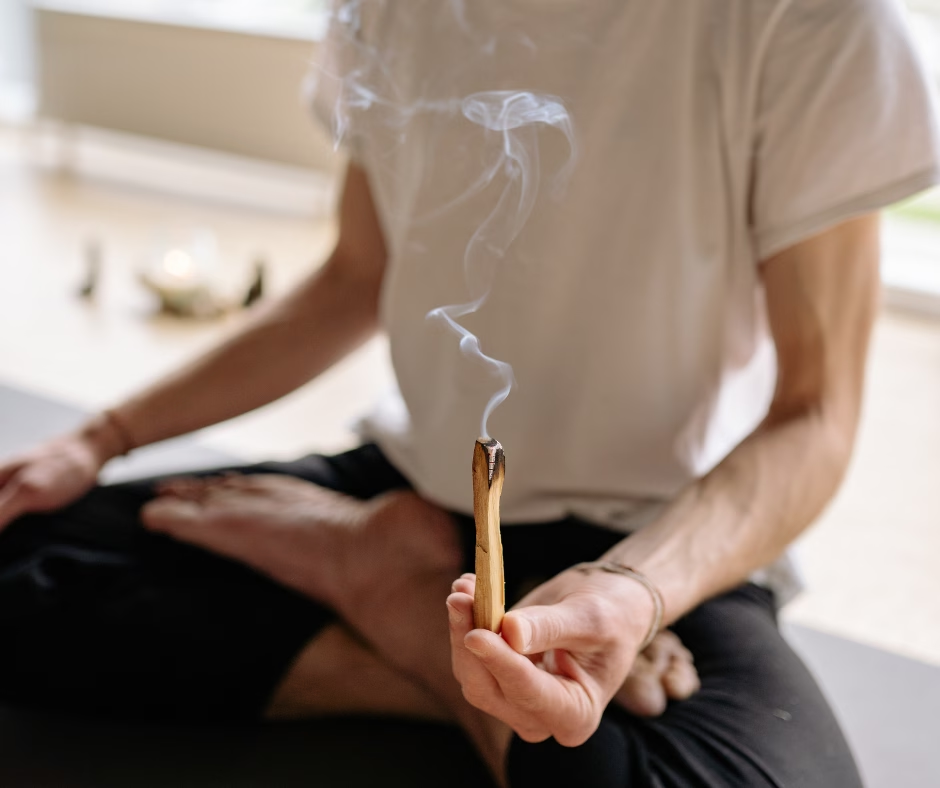
Palo Santo Wooden Stick
Why this works differently: Sweet, woody, slightly citrus scent. Traditionally used for clearing negative energy (if you believe in that) or just smelling good (if you don’t).
Cost: $8-12 for a bundle of 5-6 sticks (each stick lasts multiple uses)
How to use: Light the end, let it burn for 30 seconds, blow out the flame, let it smoke. More ritual than incense, more special-feeling than daily use.
My take: This is what I use when regular incense feels too routine, and I need the grounding ritual to feel more intentional. The scent is distinctive enough that my brain doesn’t confuse it with background smells.
Grass-Scented Soy Candles (Pet-Safe)
Critical detail: If you have cats or dogs, only buy soy candles labelled pet-safe. Many scented candles contain essential oils toxic to pets.
Why grass scent works: Smells clean without chemical artificial fragrance. Reminds the brain of nature and fresh air without leaving the bedroom. Fresh scent interrupts stale, trapped feelings during depression.
The link I put up there has Sea Salt & Neroli; this scent also works!
Cost: $8-12 for pet-safe soy candles
What to avoid: Candles that smell like cheap hanging car fresheners. No offense, but if it smells artificial, your brain knows. Look for candles made with essential oils, not synthetic fragrance.
Wooden wick bonus: Candles with wooden wicks make a soft crackling tick-noise whilst burning. The sound is calming. They also burn slower, which means better value and longer-lasting scent ritual.
Essential Oils: Lavender or Orange
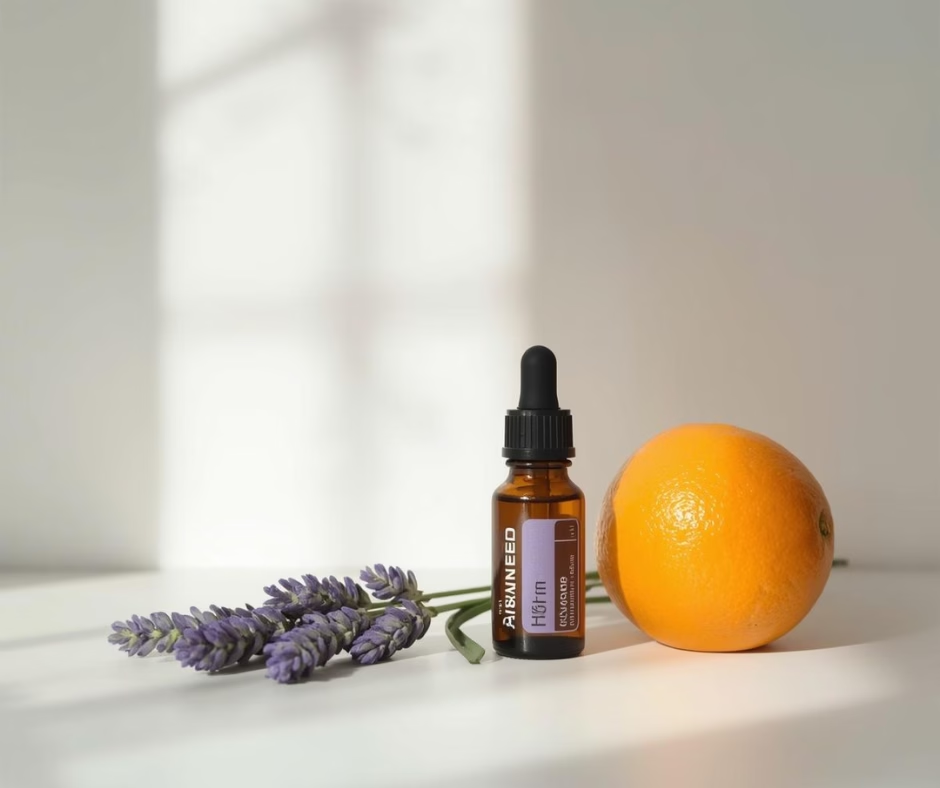
Lavender: Multiple studies confirm it reduces anxiety and improves sleep. Can use in a diffuser, on a pillow, or mixed with carrier oil for temples.
Cost: $6-10 for a quality bottle
Orange (my surprising discovery): A Buddhist nun told me to put an orange + lemon essential oil mixture on the gum right above my front teeth. Citrus scent helps release anxiety and stress.
Critical safety note: Make sure essential oils are food-grade if you’re consuming them orally. Not all essential oils are safe for internal use.
Cost for citrus oils: $6-14 each
Why citrus works: The bright, sharp scent cuts through brain fog and heaviness that comes with depression. It’s activating rather than sedating—use during day, not before sleep.
The Expensive Scent Rabbit Hole (My Cautionary Tale)
I collect niche perfumes. Past tense “collect” because I can’t afford to add to the collection anymore, but present tense “own” because I have them and occasionally smell them whilst feeling conflicted about wealth distribution and personal spending habits.
Here’s what happened: I developed expensive taste during a period when I had slightly more money. Now my nose is trained on scents that cost more than most people’s weekly food budget. Returning to basic options feels impossible. I can smell the difference between synthetic and natural, between mass-market and niche, between acceptable and transcendent.
This is not a flex. This is a problem.
The Eden-roc candle situation: I wanted it. I researched it. I found cheaper alternatives that “capture the same vibe.” They don’t. But I bought them anyway because $150+ for a candle is not a reasonable anxiety management expense when you’re living in a temple room trying to save money.
Would I buy Eden-roc if I could afford it? Absolutely. Without hesitation. But I can’t. So I don’t.
What this taught me:
Once you know what the expensive version smells like, the budget version loses its magic. The $3 sandalwood incense that worked perfectly well before suddenly smells basic. The $8 candle smells acceptable rather than transporting.
You’ve trained your nose to want things your budget can’t sustain.
My advice: Don’t start where I am. Start with budget options. Use them consistently for 6-12 months. Let your brain create strong positive associations before you even know luxury aromatherapy exists.
If scent becomes your most reliable grounding tool after a year of consistent use, and you have genuinely disposable income that won’t cause financial stress, then maybe upgrade. But don’t begin with niche perfumes and expect to maintain that standard on a mental health budget.
Pet Safety Warning (Don’t Kill Your Cat for Aesthetics)
Critical information: Many common scents and plants are toxic to pets.
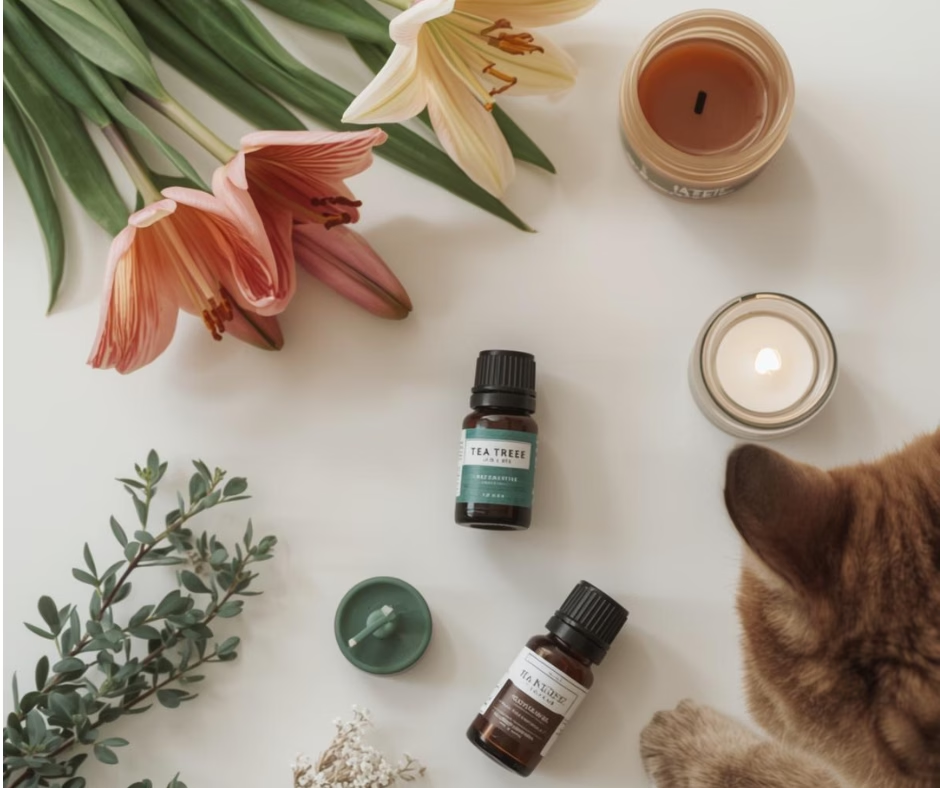
I love tulips and lilies. They’re poisonous to cats. So I don’t have them.
Toxic to cats and dogs:
- Lilies (all varieties – extremely toxic to cats)
- Tulips
- Essential oils: tea tree, eucalyptus, pennyroyal, pine
- Many synthetic fragrance candles
- Incense can irritate the respiratory systems of pets
Safer options for pet owners:
- Soy candles specifically labelled pet-safe
- Sandalwood incense (used in a well-ventilated room)
- Lavender (generally safe in diluted amounts)
- Palo santo (in moderation)
My rule: If you wouldn’t feel comfortable having your pet in the room whilst using the scent, don’t use it. Anxiety relief isn’t worth harming the animal that provides emotional support.
Delivery Methods for Small Bedrooms
Incense ($3-12)
Pros: Cheap, ritualistic, smoke provides visual grounding
Cons: Not great for asthma or pets with respiratory issues
Best for: Daily safe corner routine, meditation
Soy Candles with Wooden Wicks ($8-20)
Pros: Crackling sound is calming, burns slower, and pet-safe options are available
Cons: Still need to remember to blow out, not ideal during dissociative episodes
Best for: Evening wind-down, creating atmosphere, longer-lasting scent
Essential Oil Options
Direct application: Orange + lemon on gum (food-grade only, $12-16 for both oils)
Diffuser: $15-25 initial cost, then $6-10 per oil
Best for: Immediate anxiety relief (direct), ongoing room scent (diffuser)
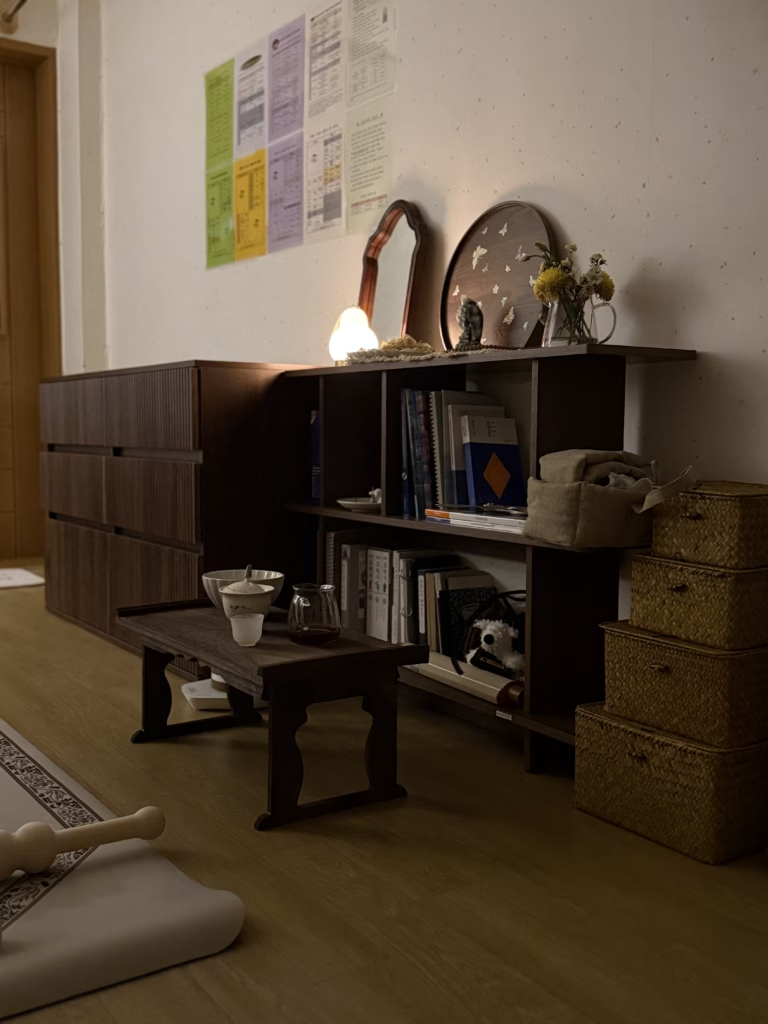
My Temple Room Reality
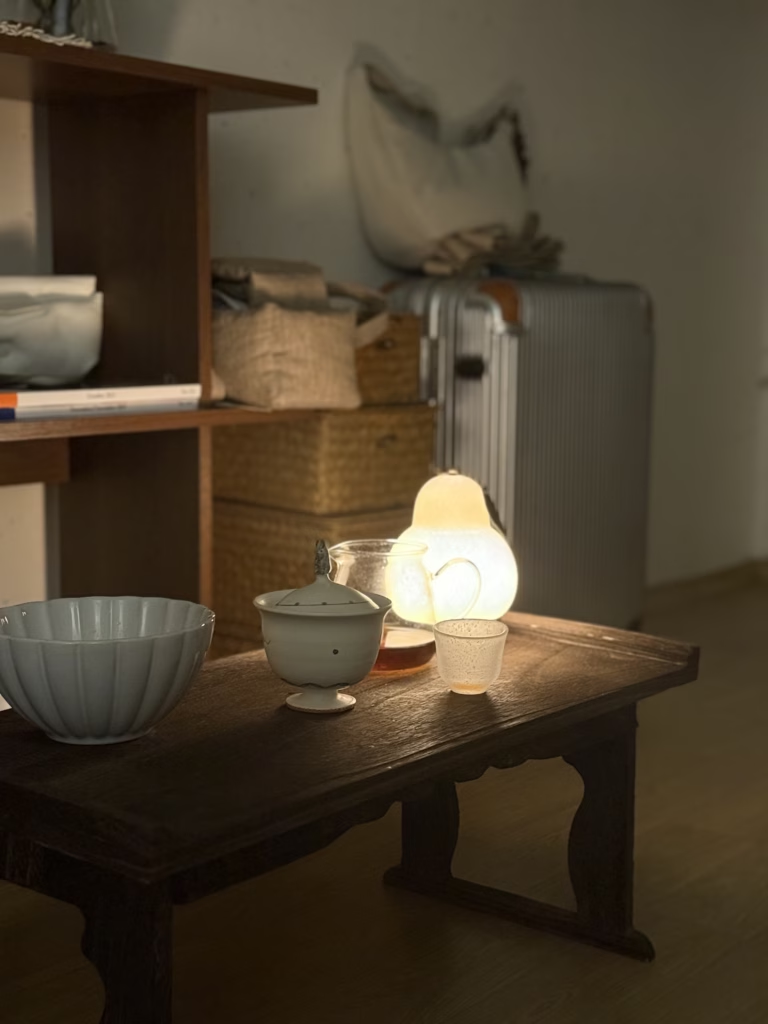
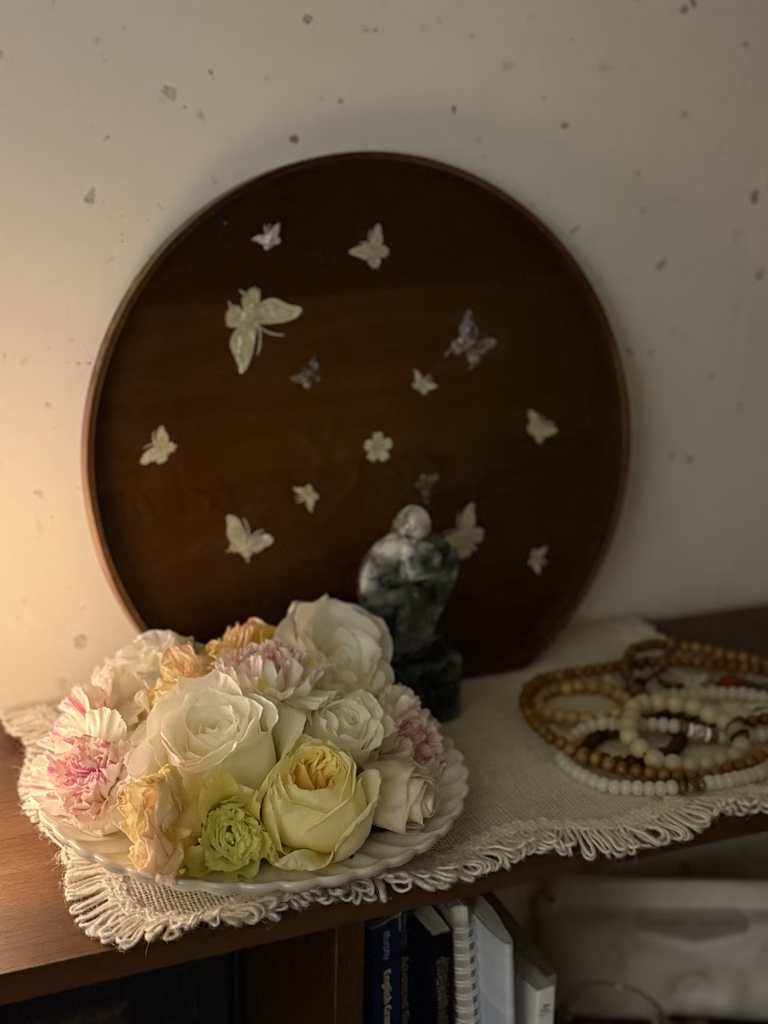
Current setup: 177 square feet, temporary living, limited budget
What I actually use:
- Sandalwood incense ($5 per pack, lasts 2-3 months)
- Palo santo for difficult episodes ($10 bundle, lasts 6+ months)
- Niche perfumes I rarely use because I can’t replace them
What I’d add if permanent and less broke:
- Wooden wick soy candle in grass scent ($12)
- Small diffuser with orange essential oil ($25 total)
- Eden-roc candle ($150+ — aspirational, not realistic)
The honest truth: even knowing aromatherapy helps, I keep it minimal. Sandalwood incense works well enough that I don’t need more. And the niche perfumes sit there as expensive evidence that sometimes developing refined taste is a financial liability.
Two Budget Approaches
$5 Version: Essential Only
- One pack of sandalwood incense ($3-5)
- Use daily in a safe corner
- Let the brain create a strong association
Result: Effective grounding tool that you can actually afford to use consistently
$30 Version: Variety Without Regret
- Sandalwood incense ($5)
- Palo santo bundle ($10)
- Pet-safe wooden wick candle (412)
- Food-grade orange essential oil ($8)
Total: $35
Result: Multiple scent options for different situations, all replaceable without financial anxiety
Common Mistakes
Starting with expensive: Don’t begin with niche perfumes or luxury candles. You’ll ruin yourself for sustainable options.
Too many scents at once: Pick 1-2 maximum for your safe space. Scent associations require focused repetition.
Ignoring pet safety: Check toxicity before buying. Dead plants are replaceable. Dead pets aren’t.
Forgetting fire safety: Incense and candles during dissociative episodes = risk. Have backup electric options if you’re prone to spacing out.
Action Plan
If you have $5:
- Buy sandalwood or palo santo
- Light it in your safe corner tonight
- Notice how scent affects your mood
If you have $15:
- Buy sandalwood incense ($5) + palo santo ($10)
- Test which works better
- Use consistently for one week
If you have this weekend:
- Visit the shop, smell multiple options (bring your dog if testing candles)
- Choose 1-2 affordable scents that genuinely calm you
- Create a scent ritual for your safe corner
The goal isn’t building a luxury aromatherapy collection your budget can’t support. It’s finding affordable scents that help your nervous system recognise safety.
Start with $3 sandalwood incense. Use it consistently for six months. If it becomes your most reliable grounding tool and you have genuinely disposable income, consider upgrading.
But don’t start where I did—with a collection of niche perfumes that work beautifully and cost more than I can justify replacing.
Your anxiety doesn’t need luxury aromatherapy. It needs consistent, affordable scents you can actually use without calculating cost-per-spray.
The $3 incense works. You just have to use it before your nose learns what the expensive version smells like.
Complete your calm bedroom:
→ 5 Small Bedroom Design Changes for Better Sleep
→ Bedroom Lighting Guide
→ How to Create a Panic-Safe Corner
→ Low-Maintenance Plants for Mental Health